
The National Medical Products Administration (NMPA) today (the 31st) newly approved two "metagenomic pathogen detection reagents" for marketing, including a "global first" reagent for detecting pathogens in severe and critical respiratory diseases and a "China first" reagent for detecting bloodstream infection pathogens.
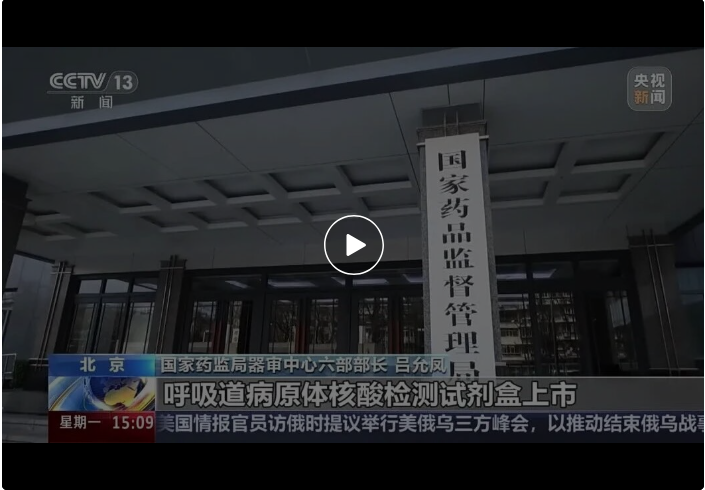
China Approves Marketing of Two Metagenomic Pathogen Detection Kits: New Option for Pathogen Detection in Severe and Critical Lower Respiratory Tract Infections
The Respiratory Pathogen Nucleic Acid Detection Kit performs in vitro qualitative detection of pathogen nucleic acids (including fungi, bacteria, atypical pathogens, and viruses) in human bronchoalveolar lavage fluid samples. It is used for the auxiliary diagnosis of respiratory infections in severe and critically ill patients with suspected lower respiratory tract infection, patients with impaired immune function, and difficult and complicated cases, and is the world's first respiratory pathogen detection reagent based on metagenomic sequencing technology.
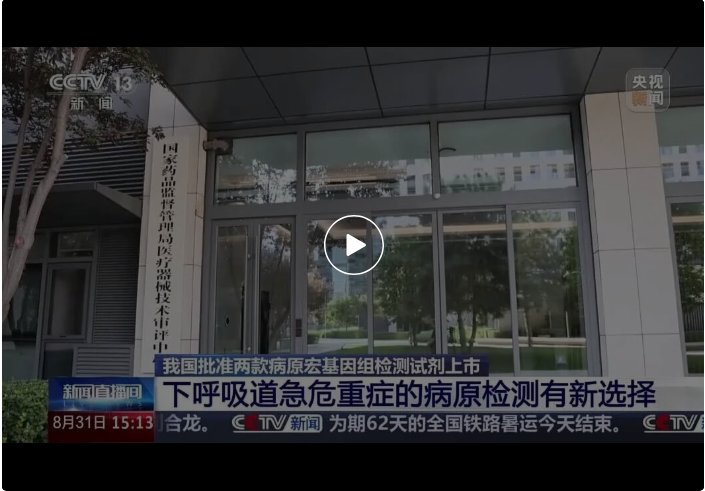
China Approves Marketing of Two Metagenomic Pathogen Detection Kits: New Detection Tool for Severe and Critical Bloodstream Infections Such as Sepsis
The Bloodstream Infection Pathogen Nucleic Acid Detection Kit performs in vitro qualitative detection of bacterial and fungal nucleic acids in human plasma samples. It is used for the auxiliary diagnosis of patients with suspected bloodstream infection in whom conventional diagnostic methods such as blood culture fail to identify the pathogen, as well as patients with severe or critical bloodstream infections such as sepsis, and is China's first metagenomic detection reagent for bloodstream infections.
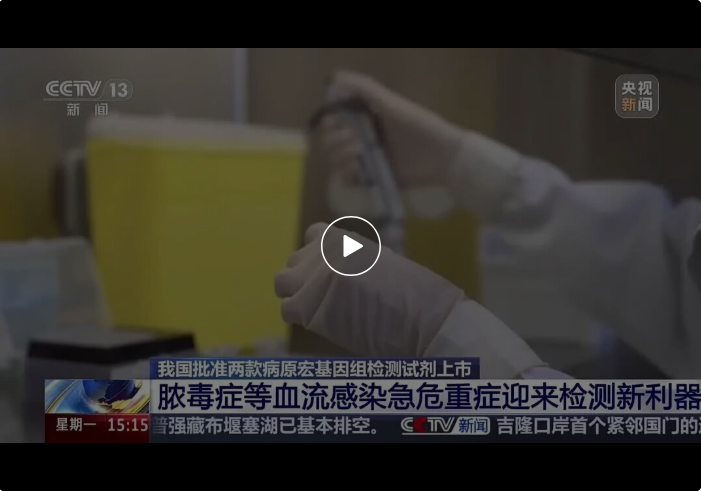
The approved products employ non-targeted, high-throughput metagenomic pathogen sequencing technology. A single test on a sample can simultaneously provide information on multiple categories of pathogens, effectively addressing the shortcomings of traditional methods, such as their narrow detection range and poor timeliness. The products offer clear advantages in the detection of pathogens that are difficult to culture or rarely encountered, providing more options for the auxiliary diagnosis of clinically difficult, critical, and special infection cases.
The medical products administration will strengthen post-marketing oversight of the above products to protect the safety of patients using them.
Source: CCTV News App
China Approves Marketing of Two Metagenomic Pathogen Detection Kits: New Option for Pathogen Detection in Severe and Critical Lower Respiratory Tract Infections
The Respiratory Pathogen Nucleic Acid Detection Kit performs in vitro qualitative detection of pathogen nucleic acids (including fungi, bacteria, atypical pathogens, and viruses) in human bronchoalveolar lavage fluid samples. It is used for the auxiliary diagnosis of respiratory infections in severe and critically ill patients with suspected lower respiratory tract infection, patients with impaired immune function, and difficult and complicated cases, and is the world's first respiratory pathogen detection reagent based on metagenomic sequencing technology.
China Approves Marketing of Two Metagenomic Pathogen Detection Kits: New Detection Tool for Severe and Critical Bloodstream Infections Such as Sepsis
The Bloodstream Infection Pathogen Nucleic Acid Detection Kit performs in vitro qualitative detection of bacterial and fungal nucleic acids in human plasma samples. It is used for the auxiliary diagnosis of patients with suspected bloodstream infection in whom conventional diagnostic methods such as blood culture fail to identify the pathogen, as well as patients with severe or critical bloodstream infections such as sepsis, and is China's first metagenomic detection reagent for bloodstream infections.
The approved products employ non-targeted, high-throughput metagenomic pathogen sequencing technology. A single test on a sample can simultaneously provide information on multiple categories of pathogens, effectively addressing the shortcomings of traditional methods, such as their narrow detection range and poor timeliness. The products offer clear advantages in the detection of pathogens that are difficult to culture or rarely encountered, providing more options for the auxiliary diagnosis of clinically difficult, critical, and special infection cases.
The medical products administration will strengthen post-marketing oversight of the above products to protect the safety of patients using them.
Source: CCTV News App