
On July 12, the Thematic Meeting on Promoting Digital & Intelligent Innovation in High-End Medical Devices was successfully held at Future Science City in Changping, Beijing, as an important sub-forum of the 2026 Beijing · Changping Forum on Life Science and the 43rd China Pharmaceutical Industry Information Annual Conference.
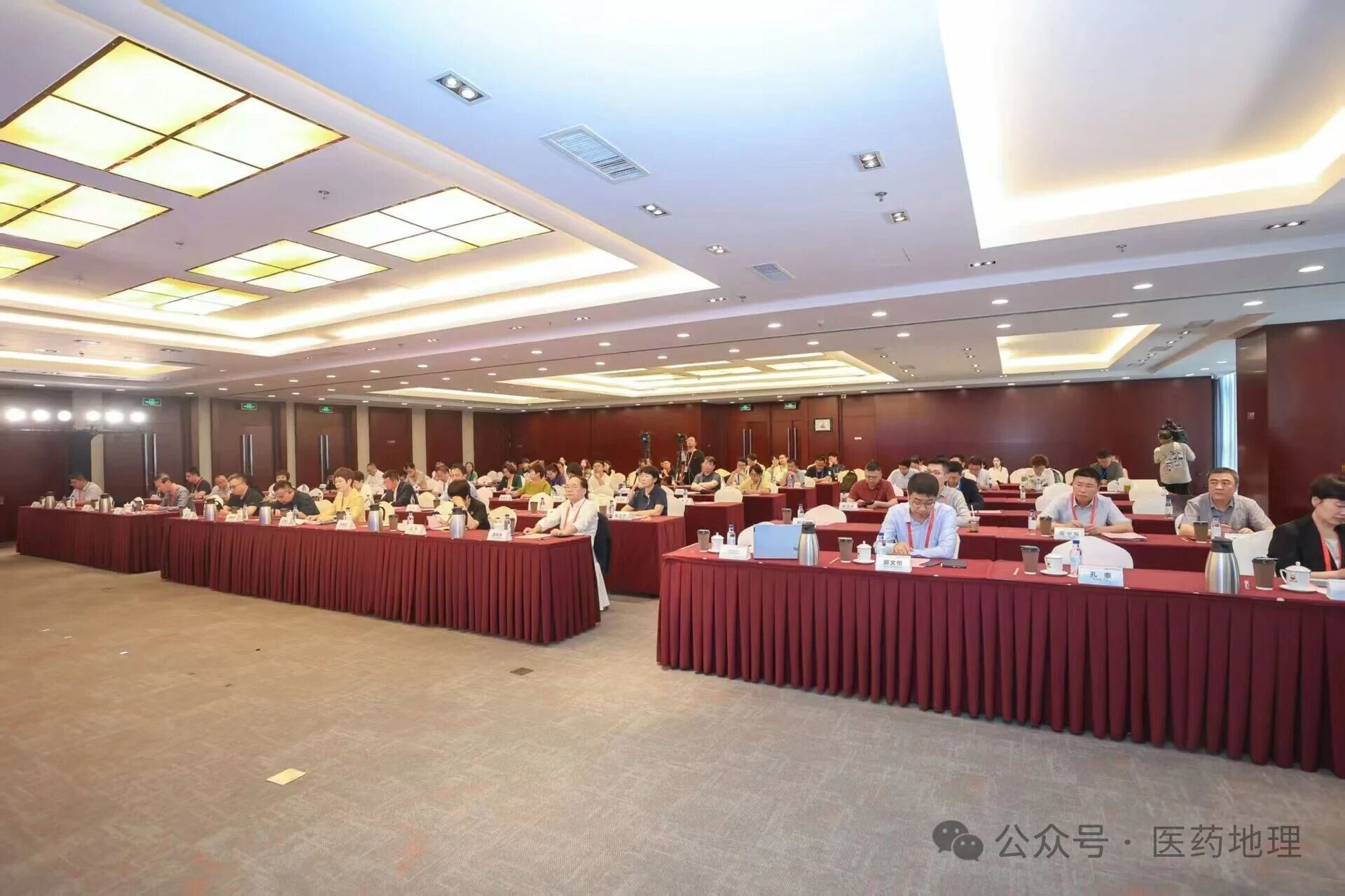
Chaired by Su Wenna, Project Manager at China Association for Medical Devices Industry (CAMDI), the meeting brought together representatives from government, industry, academia, research institutions, the medical community, and the investment sector. Participants focused on digital and intelligent transformation and whole-chain collaboration, engaging in in-depth discussion on the path to high-quality development of high-end medical devices from R&D to application.
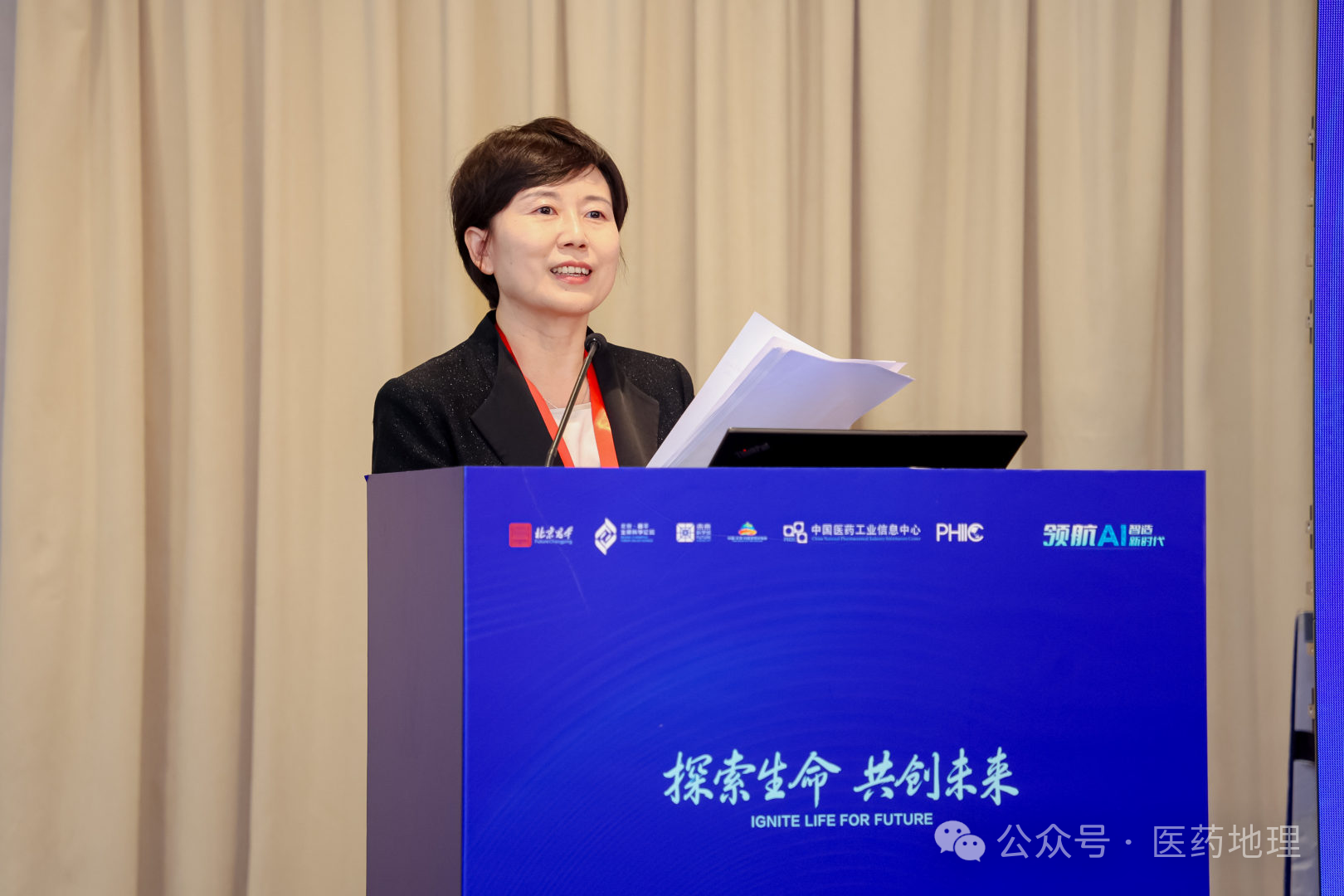
Yang Xiaofang, Secretary-General of CAMDI, and Ma Chunxiu, Deputy Head of the Beijing Changping District People's Government, each delivered remarks.
Policy Frontiers and Fundamental Breakthroughs
A review expert delivered a keynote presentation on "Policies to Support and Encourage the Innovative Development of High-End Medical Devices." The presentation systematically explained the conceptual scope of high-end medical devices and the support-policy systems of various ministries and commissions, with particular focus on flexible measures within the drug regulatory system such as priority review channels, optimized innovation review, and conditional approval. Using brain-computer interfaces as a representative case, the presentation elaborated on the field's full-chain support pathway - from standards leadership and classification definition to coordinated action across medical care, medical insurance, and medicine - offering the industry clear guidance for understanding policy direction and navigating the registration pathway.
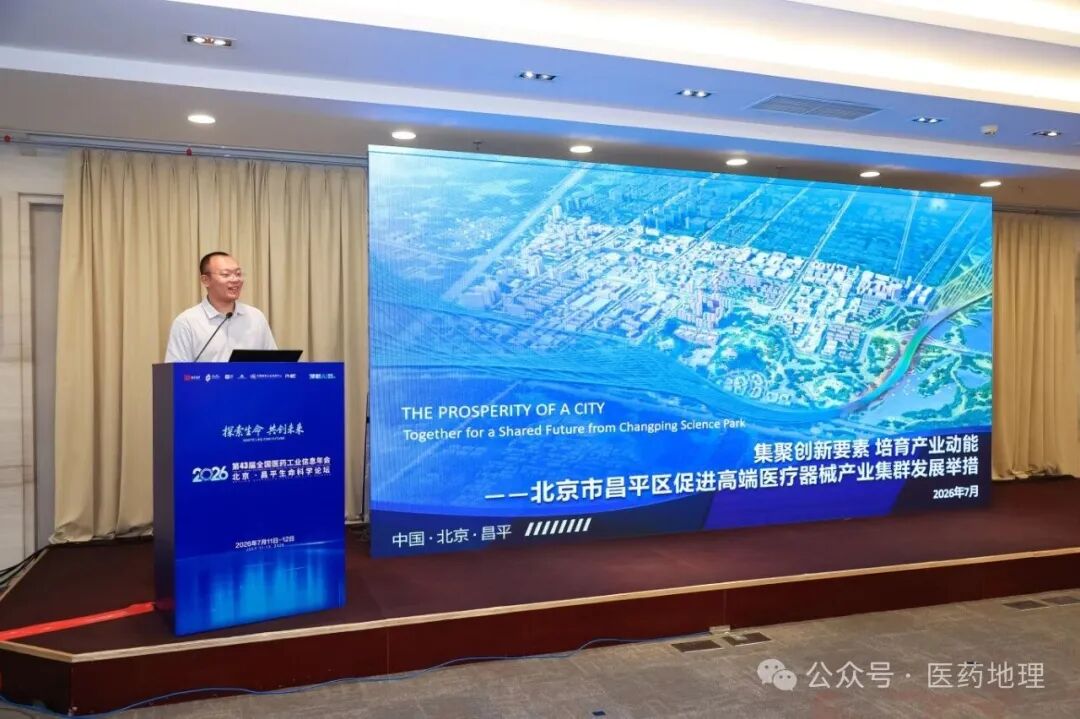
Fu Chao, a Level IV Division Rank Official at the Zhongguancun Science Park Changping Park Administrative Committee, presented Changping District's support policies for the high-end medical device industry and its local industrial ecosystem, highlighting the district's solid foundation and broad prospects as a core hub for Beijing's medical device industry.
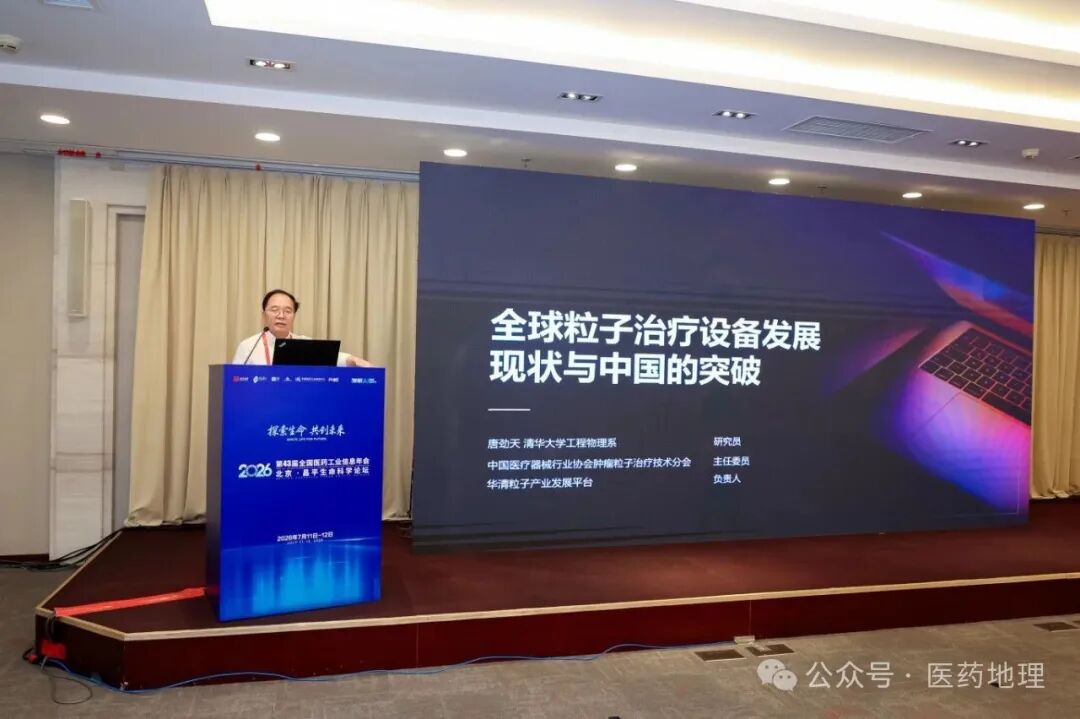
Tang Jintian, a research fellow in the Department of Engineering Physics, Tsinghua University and Chairman of CAMDI's Tumor Particle Therapy Technology Branch, delivered a keynote presentation on "Current Development of Global Particle Therapy Equipment and China's Breakthroughs." The presentation noted that China's particle therapy industry is at a golden period of transition - moving from "catching up in protons" to "leading in multi-particle therapy." Domestically made equipment has already achieved a number of internationally leading breakthroughs in core areas such as accelerator miniaturization, superconducting rotating gantries, and liquid-helium-free technology. Particle therapy is expected to move from being an "aristocratic treatment" to an "inclusive treatment," helping to improve the five-year survival rate for cancer patients in China.
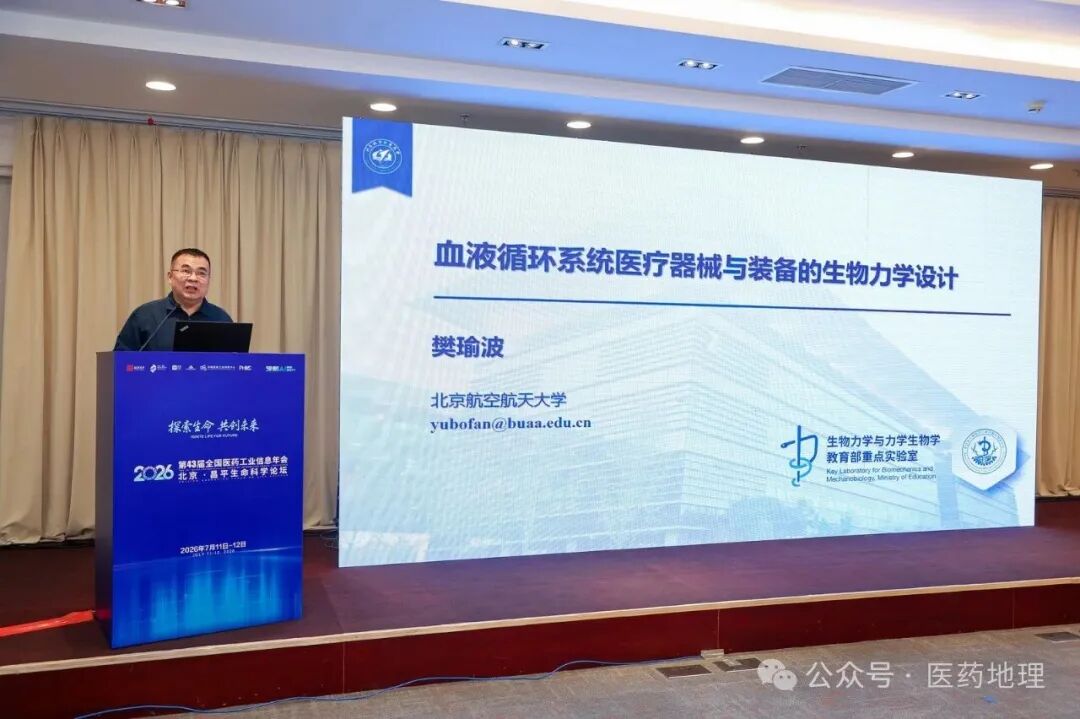
Professor Fan Yubo of the School of Biological Science and Medical Engineering, Beihang University delivered a keynote presentation on "Biomechanical Design and Application Research of Medical Equipment and Devices for the Circulatory System." The presentation systematically explained the core role of biomechanics in cardiovascular medical device R&D, and shared his team's research achievements in areas such as extracorporeal circulation simulation, bioresorbable stent optimization, independent R&D of ECMO systems, and non-invasive rehabilitation equipment for peripheral circulation. He emphasized that an in-depth understanding of the circulatory system is the cornerstone of revolutionary innovation in related medical devices.
Digital and Intelligent Empowerment and Industry Practice
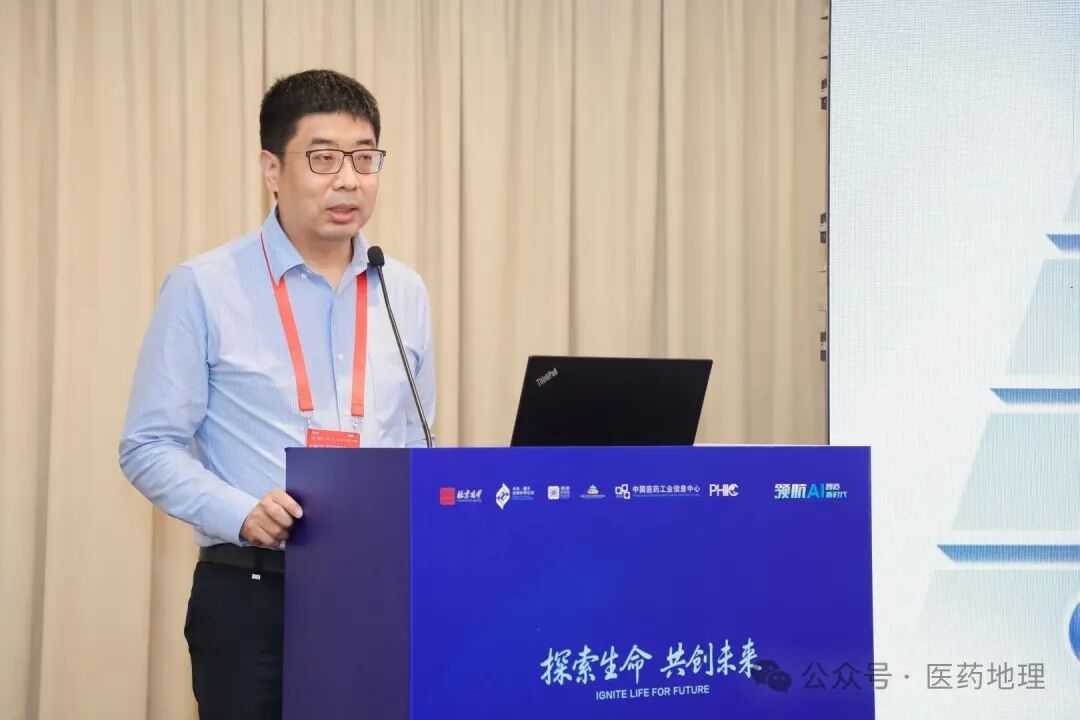
Guo Wenheng, General Manager of Mindray's Beijing Research Institute, delivered a keynote presentation on "Intelligent and Informatized Solutions for In Vitro Diagnostics." He proposed that digitalization and intelligentization is not equivalent to AI alone, but rather the coordinated result of multiple directions - ranging from single-product innovation and equipment integration to interconnected information systems, AI applications, and embodied intelligence. In in vitro diagnostics (IVD), Mindray's Ruijian LMS management system and Qiyuan testing large model have broken down equipment silos, management silos, and data silos within clinical laboratories, raising the automatic report-review pass rate from 70% to over 90%, significantly unlocking AI's potential while cutting costs and controlling expenses.
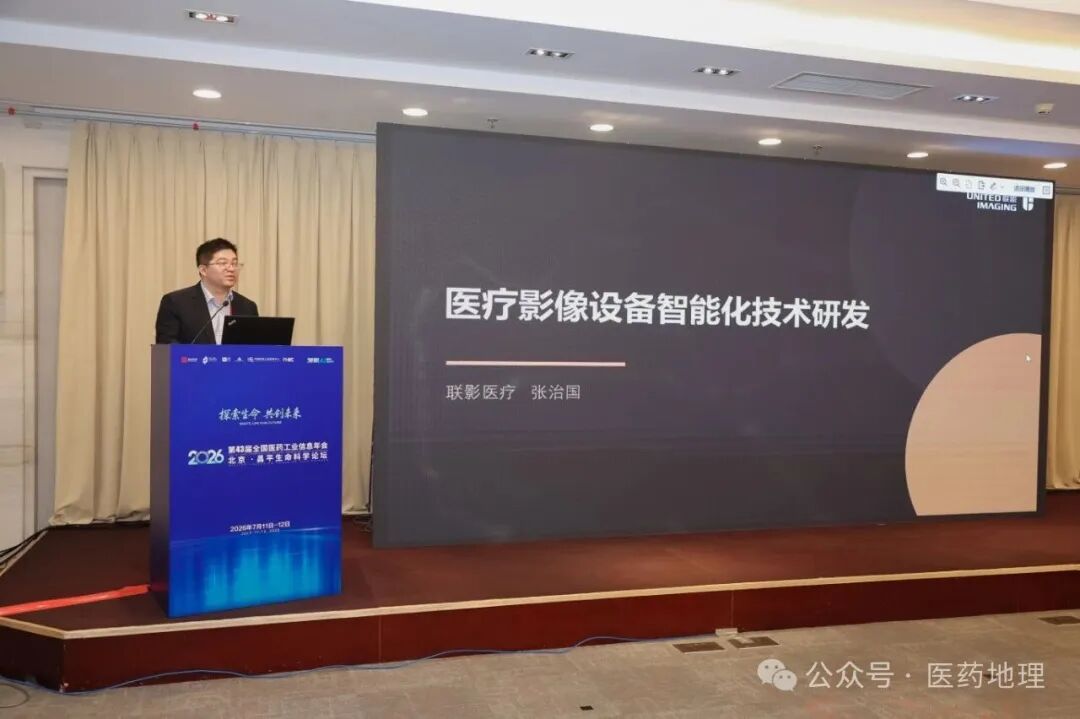
Zhang Zhiguo, President of the Medical Software and Intelligence Business Unit at Shanghai United Imaging Healthcare Co., Ltd., delivered a keynote presentation on "Research into Intelligent Technology for Medical Imaging Equipment." The presentation pointed out that competition in medical imaging equipment is shifting from hardware specifications to intelligent capabilities, with AI evolving from an add-on feature into a native capability of the equipment itself. United Imaging is building an AI-native empowerment system across four directions - intelligent imaging, intelligent workflow, integrated diagnosis and treatment, and intelligent operations and maintenance - achieving a series of breakthrough results, and proposed that future equipment will evolve toward embodied intelligent agents capable of perception, reasoning, and execution.
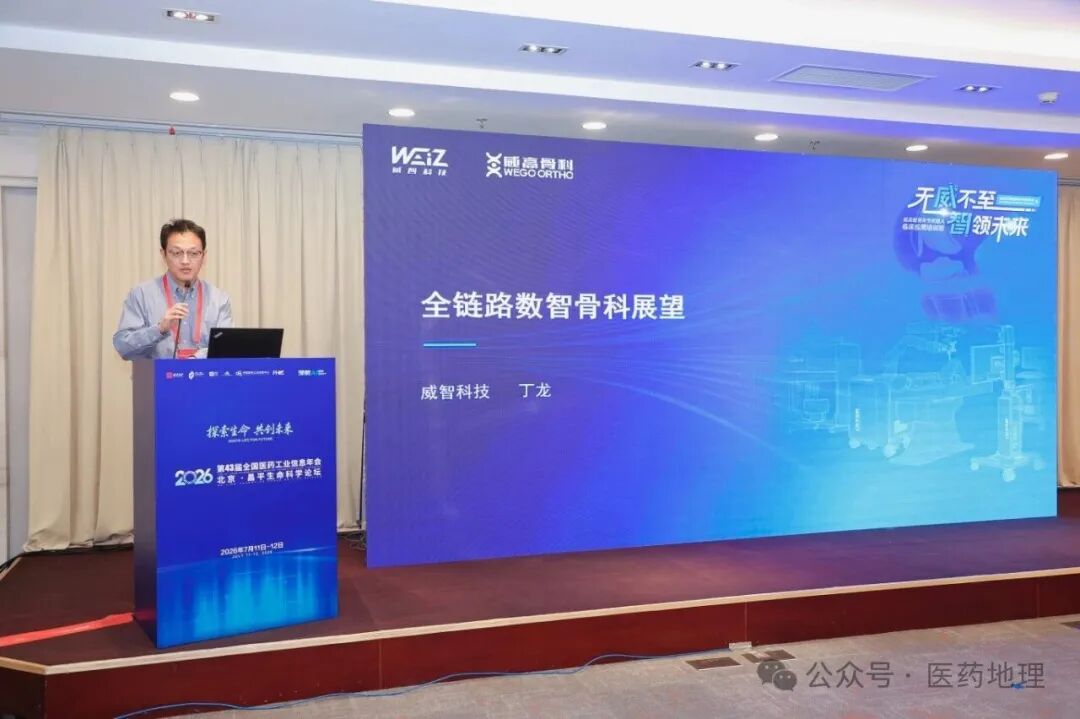
Ding Long, General Manager of Beijing Weigao Intelligent Technology Co., Ltd., delivered a keynote presentation on "Outlook for Whole-Chain Digital and Intelligent Orthopedics." The presentation noted that orthopedic surgery is highly dependent on physician experience, which constrains the improvement of diagnostic and treatment capabilities at the grassroots level. Leveraging its full-industry-chain advantages, Wego Ortho has built a whole-chain digital and intelligent orthopedics loop encompassing "weight-bearing CT imaging diagnosis + intelligent surgical planning + precise robotic execution + digital rehabilitation management." Through surgical robots, the standardized surgical techniques of top physicians are replicated at the grassroots level, improving consistency in orthopedic surgery and supporting the implementation of tiered medical care.
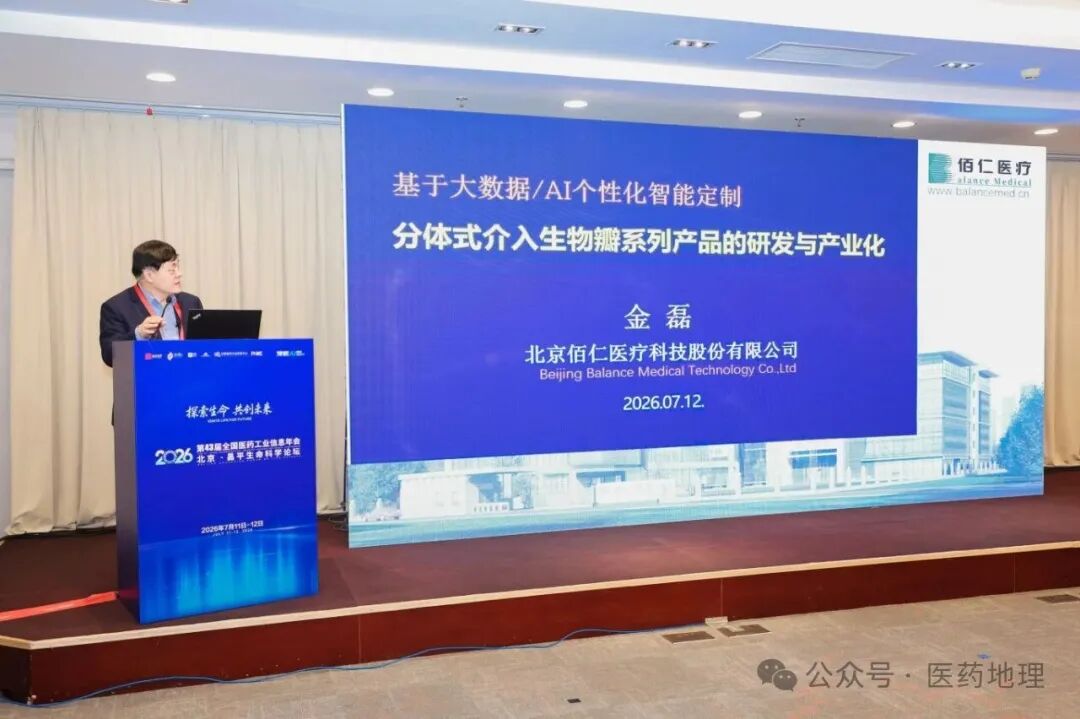
Jin Lei, Chairman of Beijing Balance Medical Technology Co., Ltd., delivered a keynote presentation on "R&D and Industrialization of a Big Data/AI-Based, Personalized, Split-Type Series of Interventional Bioprosthetic Valve Products." The presentation noted that Chinese patients with valvular heart disease are predominantly affected by mitral valve lesions, which differs significantly from populations in Europe and the United States, meaning imported products cannot meet clinical needs. Based on nearly 20,000 cases of imaging data, Balance Medical has built a large AI model and pioneered a split-type interventional valve treatment system - first deploying an anchoring stent to achieve biological anchoring, then implanting the valve - extending interventional treatment from the aortic valve to the mitral and tricuspid valve positions. This allows patients over the age of 60 to avoid valve replacement surgery, marking the shift of interventional valve therapy from the "1.0 era" to the "3.0 era."
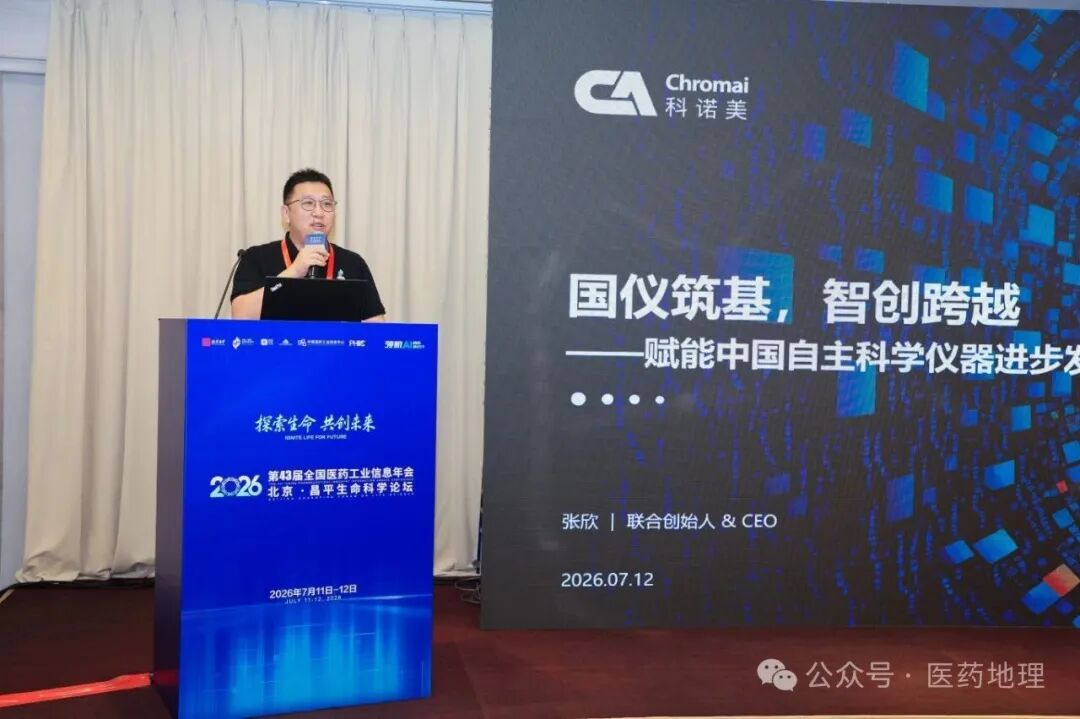
Zhang Xin, Founder and CEO of Chromai (Beijing) Technology Co., Ltd., delivered a keynote presentation titled "Building on Domestic Instruments, Leaping Forward Through Intelligent Innovation - Empowering the Advancement of China's Independent High-End Instruments." The presentation noted that ultra-high-performance liquid chromatography is a fundamental analytical tool in fields such as pharmaceuticals and clinical diagnostics, and has long been monopolized by a small number of foreign companies. Through forward, independent R&D, Chromai has become one of the few domestic companies to master this core technology, with products now sold in more than 20 countries and regions, using independent innovation to break the bottleneck.
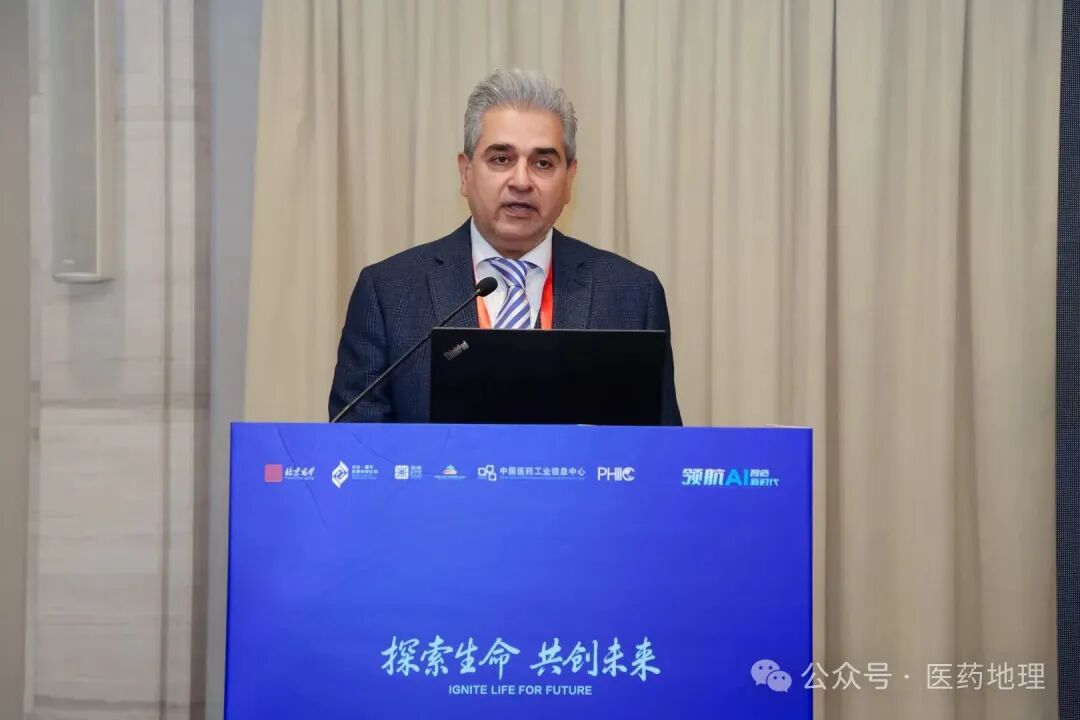
Koorosh Faridpooya, a senior surgical specialist at the Rotterdam Eye Hospital in the Netherlands, shared a next-generation intelligent solution for high-end ophthalmic diagnosis and treatment equipment. He noted that the technology enables precise cross-regional diagnosis and treatment and is suitable for use by healthcare facilities at all levels, especially those at the grassroots level. The project features core, independently developed products such as a surgical robotic arm and portable diagnostic and treatment equipment, holds global patents, and leads the industry in safety performance and practicality.
Digital-Intelligent Integration for Collaborative Breakthroughs
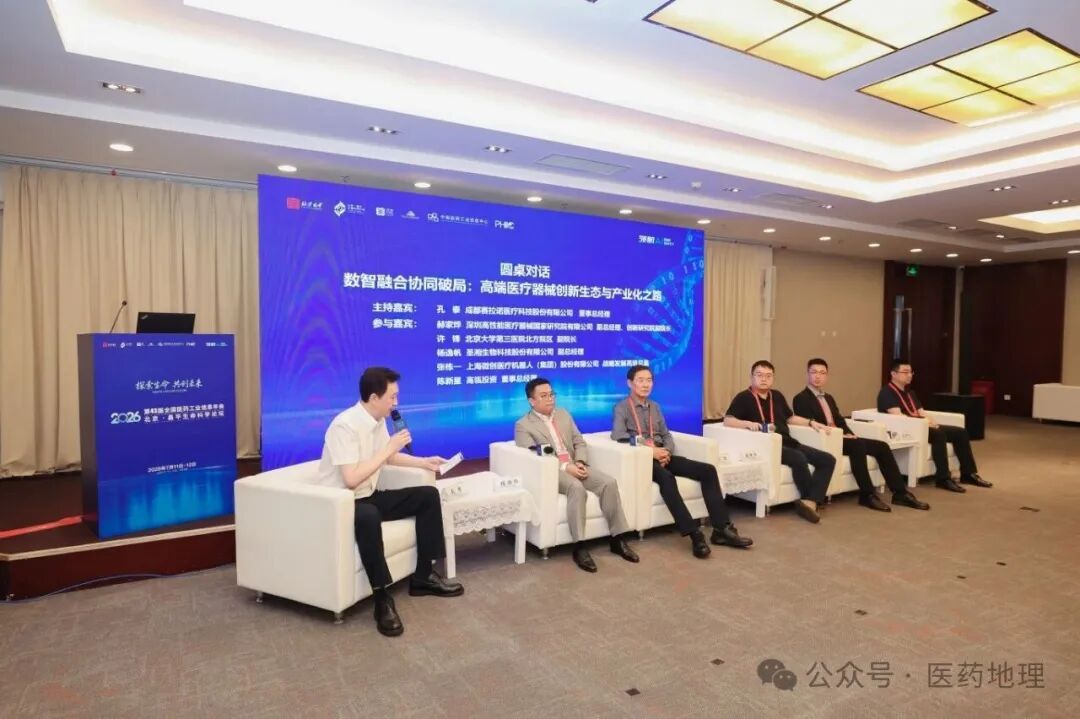
The roundtable dialogue was moderated by Kong Tai, Managing Director of Chengdu Silara Medtech Inc., with in-depth discussion on industry pain points, pathways for collaboration, and development opportunities among He Jiaye, Deputy General Manager of Shenzhen National Research Institute of Advanced Medical Devices Co., Ltd., Xu Feng, Deputy Director of the Beifang Campus of Peking University Third Hospital, Yang Yifan, Deputy General Manager of Sansure Biotech Inc., Zhang Dongyi, Senior Director of Strategic Development at Shanghai MicroPort MedBot (Group) Co., Ltd., and Chen Xinxing, Managing Director of Hillhouse Investment.
On the core bottlenecks in innovation conversion, He Jiaye noted that AI-enabled devices have already shown initial results, but the commercialization path for data-interpretation products remains unclear, making the establishment of national-level datasets critical. From a hospital's perspective, Xu Feng pointed out that physicians face a "triple confusion" - unclear market space, difficulty finding partners, and an unclear registration pathway - with patent conversion rates far below those in Europe and the United States. Yang Yifan argued that policies and regulations need to keep pace with technological development, and that companies should proactively embrace new scenarios in health consumption. Zhang Dongyi said that, with the support of national policy, bottlenecks in the surgical robot industry chain have largely been resolved, and the next step is to balance cost against clinical value. Chen Xinxing noted that capital has not yet fully rebounded, that companies with global innovation capability are the focus of investment, and that opening up channels for mergers and acquisitions will help drive industry consolidation.
On breaking through ecosystem collaboration bottlenecks, He Jiaye said that the National Innovation Center for Advanced Medical Devices ("the National Innovation Center") is shifting from strengthening and filling gaps in the supply chain toward accelerating frontier technologies and pilot-scale validation, supporting high-risk, early-stage projects through dedicated funds. Xu Feng shared the hospital's practical experience in connecting the full conversion chain through a medical innovation alliance and a big-data evaluation platform. Yang Yifan proposed that companies should start from market demand and integrate industry-chain resources in reverse. Zhang Dongyi emphasized the importance of multi-party collaboration among government, industry, academia, research institutions, application, the medical community, and capital, along with establishing medical-engineering integration standards first. Chen Xinxing said that capital can support the building of the industrial ecosystem in three ways: providing funding for international multi-center clinical trials, driving upgrades in organizational capability, and supporting M&A-based integration. Looking ahead, the panelists agreed that the deep integration of AI and surgical robots, at-home health monitoring, and single-port flexible luminal robots will be key directions in the digital and intelligent development of medical devices.
The meeting's ten keynote presentations and roundtable dialogue covered key topics across the full industry chain, including policy interpretation, basic research, industrialization practice, and capital empowerment. Attendees agreed that digital and intelligent integration is profoundly reshaping the innovation paradigm and industrial landscape of high-end medical devices, and that concerted efforts from government, industry, academia, research institutions, the medical community, and capital are urgently needed - driving independent breakthroughs through digital intelligence and resolving conversion bottlenecks through ecosystem collaboration - to jointly propel China's high-end medical device industry into a new stage of higher-quality, more internationally competitive development.
Source: Pharmaceutical Geography
Chaired by Su Wenna, Project Manager at China Association for Medical Devices Industry (CAMDI), the meeting brought together representatives from government, industry, academia, research institutions, the medical community, and the investment sector. Participants focused on digital and intelligent transformation and whole-chain collaboration, engaging in in-depth discussion on the path to high-quality development of high-end medical devices from R&D to application.
Yang Xiaofang, Secretary-General of CAMDI, and Ma Chunxiu, Deputy Head of the Beijing Changping District People's Government, each delivered remarks.
Policy Frontiers and Fundamental Breakthroughs
A review expert delivered a keynote presentation on "Policies to Support and Encourage the Innovative Development of High-End Medical Devices." The presentation systematically explained the conceptual scope of high-end medical devices and the support-policy systems of various ministries and commissions, with particular focus on flexible measures within the drug regulatory system such as priority review channels, optimized innovation review, and conditional approval. Using brain-computer interfaces as a representative case, the presentation elaborated on the field's full-chain support pathway - from standards leadership and classification definition to coordinated action across medical care, medical insurance, and medicine - offering the industry clear guidance for understanding policy direction and navigating the registration pathway.
Fu Chao, a Level IV Division Rank Official at the Zhongguancun Science Park Changping Park Administrative Committee, presented Changping District's support policies for the high-end medical device industry and its local industrial ecosystem, highlighting the district's solid foundation and broad prospects as a core hub for Beijing's medical device industry.
Tang Jintian, a research fellow in the Department of Engineering Physics, Tsinghua University and Chairman of CAMDI's Tumor Particle Therapy Technology Branch, delivered a keynote presentation on "Current Development of Global Particle Therapy Equipment and China's Breakthroughs." The presentation noted that China's particle therapy industry is at a golden period of transition - moving from "catching up in protons" to "leading in multi-particle therapy." Domestically made equipment has already achieved a number of internationally leading breakthroughs in core areas such as accelerator miniaturization, superconducting rotating gantries, and liquid-helium-free technology. Particle therapy is expected to move from being an "aristocratic treatment" to an "inclusive treatment," helping to improve the five-year survival rate for cancer patients in China.
Professor Fan Yubo of the School of Biological Science and Medical Engineering, Beihang University delivered a keynote presentation on "Biomechanical Design and Application Research of Medical Equipment and Devices for the Circulatory System." The presentation systematically explained the core role of biomechanics in cardiovascular medical device R&D, and shared his team's research achievements in areas such as extracorporeal circulation simulation, bioresorbable stent optimization, independent R&D of ECMO systems, and non-invasive rehabilitation equipment for peripheral circulation. He emphasized that an in-depth understanding of the circulatory system is the cornerstone of revolutionary innovation in related medical devices.
Digital and Intelligent Empowerment and Industry Practice
Guo Wenheng, General Manager of Mindray's Beijing Research Institute, delivered a keynote presentation on "Intelligent and Informatized Solutions for In Vitro Diagnostics." He proposed that digitalization and intelligentization is not equivalent to AI alone, but rather the coordinated result of multiple directions - ranging from single-product innovation and equipment integration to interconnected information systems, AI applications, and embodied intelligence. In in vitro diagnostics (IVD), Mindray's Ruijian LMS management system and Qiyuan testing large model have broken down equipment silos, management silos, and data silos within clinical laboratories, raising the automatic report-review pass rate from 70% to over 90%, significantly unlocking AI's potential while cutting costs and controlling expenses.
Zhang Zhiguo, President of the Medical Software and Intelligence Business Unit at Shanghai United Imaging Healthcare Co., Ltd., delivered a keynote presentation on "Research into Intelligent Technology for Medical Imaging Equipment." The presentation pointed out that competition in medical imaging equipment is shifting from hardware specifications to intelligent capabilities, with AI evolving from an add-on feature into a native capability of the equipment itself. United Imaging is building an AI-native empowerment system across four directions - intelligent imaging, intelligent workflow, integrated diagnosis and treatment, and intelligent operations and maintenance - achieving a series of breakthrough results, and proposed that future equipment will evolve toward embodied intelligent agents capable of perception, reasoning, and execution.
Ding Long, General Manager of Beijing Weigao Intelligent Technology Co., Ltd., delivered a keynote presentation on "Outlook for Whole-Chain Digital and Intelligent Orthopedics." The presentation noted that orthopedic surgery is highly dependent on physician experience, which constrains the improvement of diagnostic and treatment capabilities at the grassroots level. Leveraging its full-industry-chain advantages, Wego Ortho has built a whole-chain digital and intelligent orthopedics loop encompassing "weight-bearing CT imaging diagnosis + intelligent surgical planning + precise robotic execution + digital rehabilitation management." Through surgical robots, the standardized surgical techniques of top physicians are replicated at the grassroots level, improving consistency in orthopedic surgery and supporting the implementation of tiered medical care.
Jin Lei, Chairman of Beijing Balance Medical Technology Co., Ltd., delivered a keynote presentation on "R&D and Industrialization of a Big Data/AI-Based, Personalized, Split-Type Series of Interventional Bioprosthetic Valve Products." The presentation noted that Chinese patients with valvular heart disease are predominantly affected by mitral valve lesions, which differs significantly from populations in Europe and the United States, meaning imported products cannot meet clinical needs. Based on nearly 20,000 cases of imaging data, Balance Medical has built a large AI model and pioneered a split-type interventional valve treatment system - first deploying an anchoring stent to achieve biological anchoring, then implanting the valve - extending interventional treatment from the aortic valve to the mitral and tricuspid valve positions. This allows patients over the age of 60 to avoid valve replacement surgery, marking the shift of interventional valve therapy from the "1.0 era" to the "3.0 era."
Zhang Xin, Founder and CEO of Chromai (Beijing) Technology Co., Ltd., delivered a keynote presentation titled "Building on Domestic Instruments, Leaping Forward Through Intelligent Innovation - Empowering the Advancement of China's Independent High-End Instruments." The presentation noted that ultra-high-performance liquid chromatography is a fundamental analytical tool in fields such as pharmaceuticals and clinical diagnostics, and has long been monopolized by a small number of foreign companies. Through forward, independent R&D, Chromai has become one of the few domestic companies to master this core technology, with products now sold in more than 20 countries and regions, using independent innovation to break the bottleneck.
Koorosh Faridpooya, a senior surgical specialist at the Rotterdam Eye Hospital in the Netherlands, shared a next-generation intelligent solution for high-end ophthalmic diagnosis and treatment equipment. He noted that the technology enables precise cross-regional diagnosis and treatment and is suitable for use by healthcare facilities at all levels, especially those at the grassroots level. The project features core, independently developed products such as a surgical robotic arm and portable diagnostic and treatment equipment, holds global patents, and leads the industry in safety performance and practicality.
Digital-Intelligent Integration for Collaborative Breakthroughs
The roundtable dialogue was moderated by Kong Tai, Managing Director of Chengdu Silara Medtech Inc., with in-depth discussion on industry pain points, pathways for collaboration, and development opportunities among He Jiaye, Deputy General Manager of Shenzhen National Research Institute of Advanced Medical Devices Co., Ltd., Xu Feng, Deputy Director of the Beifang Campus of Peking University Third Hospital, Yang Yifan, Deputy General Manager of Sansure Biotech Inc., Zhang Dongyi, Senior Director of Strategic Development at Shanghai MicroPort MedBot (Group) Co., Ltd., and Chen Xinxing, Managing Director of Hillhouse Investment.
On the core bottlenecks in innovation conversion, He Jiaye noted that AI-enabled devices have already shown initial results, but the commercialization path for data-interpretation products remains unclear, making the establishment of national-level datasets critical. From a hospital's perspective, Xu Feng pointed out that physicians face a "triple confusion" - unclear market space, difficulty finding partners, and an unclear registration pathway - with patent conversion rates far below those in Europe and the United States. Yang Yifan argued that policies and regulations need to keep pace with technological development, and that companies should proactively embrace new scenarios in health consumption. Zhang Dongyi said that, with the support of national policy, bottlenecks in the surgical robot industry chain have largely been resolved, and the next step is to balance cost against clinical value. Chen Xinxing noted that capital has not yet fully rebounded, that companies with global innovation capability are the focus of investment, and that opening up channels for mergers and acquisitions will help drive industry consolidation.
On breaking through ecosystem collaboration bottlenecks, He Jiaye said that the National Innovation Center for Advanced Medical Devices ("the National Innovation Center") is shifting from strengthening and filling gaps in the supply chain toward accelerating frontier technologies and pilot-scale validation, supporting high-risk, early-stage projects through dedicated funds. Xu Feng shared the hospital's practical experience in connecting the full conversion chain through a medical innovation alliance and a big-data evaluation platform. Yang Yifan proposed that companies should start from market demand and integrate industry-chain resources in reverse. Zhang Dongyi emphasized the importance of multi-party collaboration among government, industry, academia, research institutions, application, the medical community, and capital, along with establishing medical-engineering integration standards first. Chen Xinxing said that capital can support the building of the industrial ecosystem in three ways: providing funding for international multi-center clinical trials, driving upgrades in organizational capability, and supporting M&A-based integration. Looking ahead, the panelists agreed that the deep integration of AI and surgical robots, at-home health monitoring, and single-port flexible luminal robots will be key directions in the digital and intelligent development of medical devices.
The meeting's ten keynote presentations and roundtable dialogue covered key topics across the full industry chain, including policy interpretation, basic research, industrialization practice, and capital empowerment. Attendees agreed that digital and intelligent integration is profoundly reshaping the innovation paradigm and industrial landscape of high-end medical devices, and that concerted efforts from government, industry, academia, research institutions, the medical community, and capital are urgently needed - driving independent breakthroughs through digital intelligence and resolving conversion bottlenecks through ecosystem collaboration - to jointly propel China's high-end medical device industry into a new stage of higher-quality, more internationally competitive development.
Source: Pharmaceutical Geography