
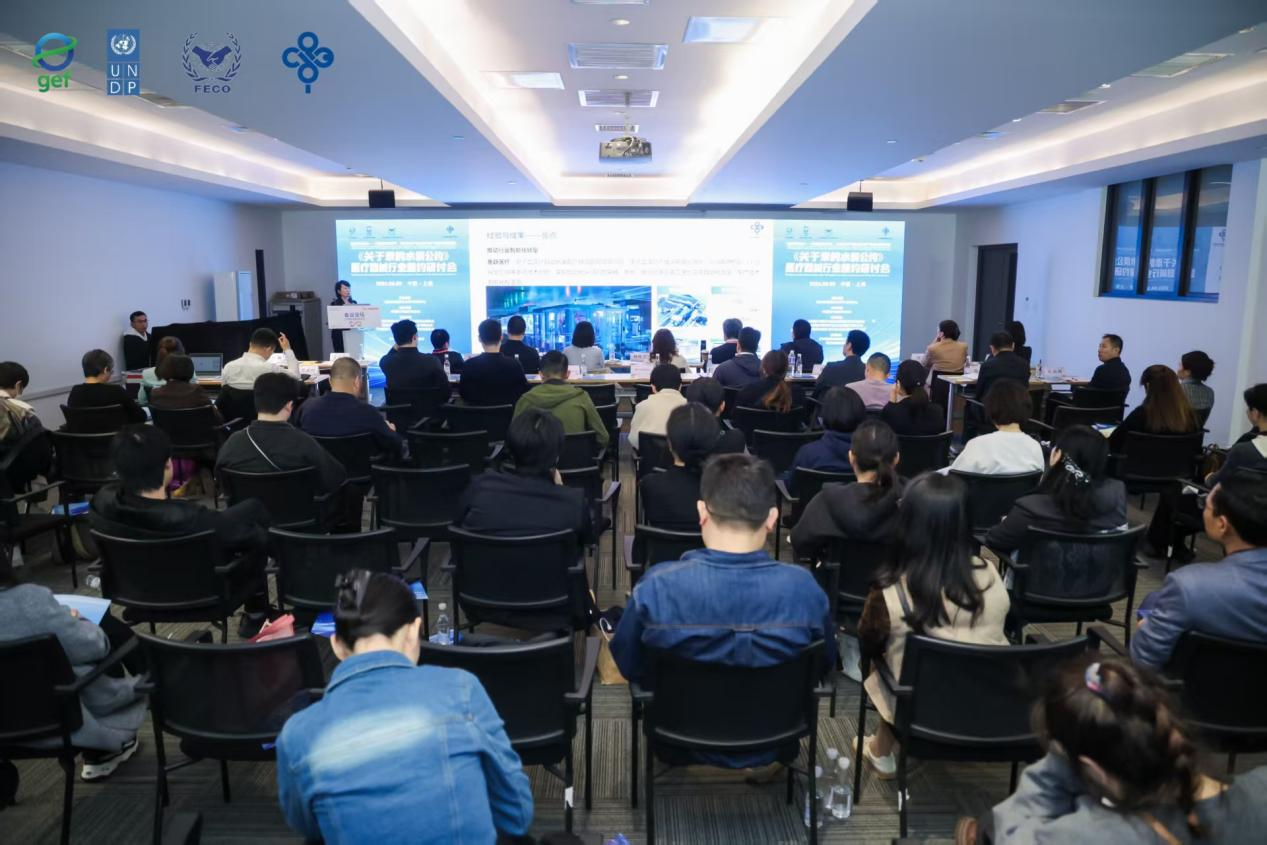
On April 9, 2026, on the opening day of the 93rd China International Medical Equipment Fair (CMEF), the "GEF Demonstration of Production Phase-out of Mercury-containing Medical Thermometers and Sphygmomanometers and Promoting the Application of Mercury-free Alternatives in Medical Facilities in China - Workshop on the Implementation of the Minamata Convention on Mercury in the Medical Device Industry" was successfully convened. The event was hosted by the Foreign Environmental Cooperation Center, Ministry of Ecology and Environment (FECO) and undertaken by the China Association for Medical Devices Industry (CAMDI). Representatives from medical device manufacturers, equipment management departments and clinical departments of medical institutions, distributors, mercury-free alternative technology component suppliers, research institutions, and mainstream media gathered, with nearly 100 attendees in total.
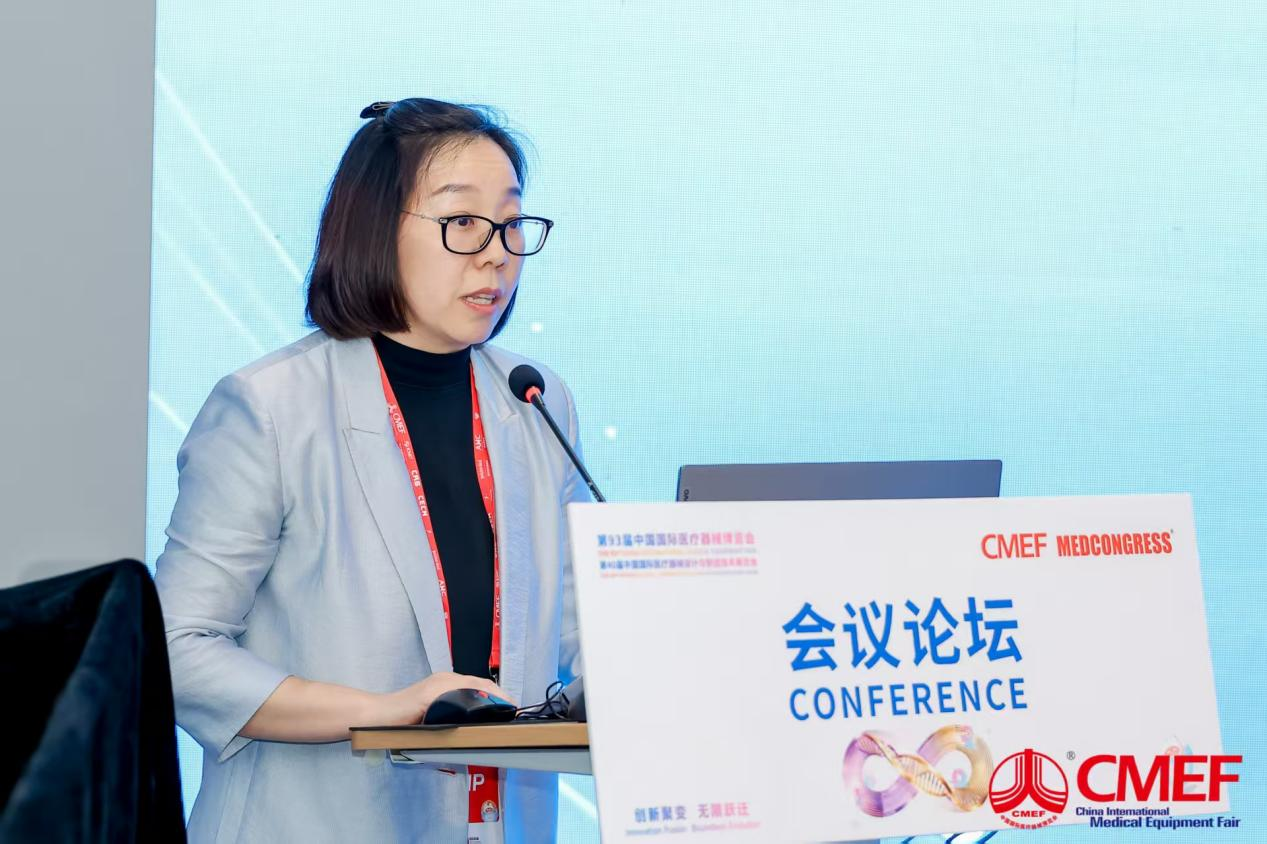
In her opening remarks, Guo Shuhui, Chief Expert of Convention Implementation Division IV at FECO, noted that the comprehensive green transformation of the medical industry represents a solemn commitment to safeguarding public health and wellbeing, and is an essential step toward achieving "Healthy China" and "Beautiful China." The "GEF Demonstration of Production Phase-out of Mercury-containing Medical Thermometers and Sphygmomanometers and Promoting the Application of Mercury-free Alternatives in Medical Facilities in China" aims to accelerate the phase-out of mercury-containing medical device production and the mercury-free technological transition, support medical institutions in adopting and promoting mercury-free alternative products, help the industry fulfill its international obligations, and achieve green and sustainable development. By hosting the workshop, she expressed FECO's hope that all parties would engage in substantive exchanges to foster dialogue and cooperation among government bodies, the industry, medical institutions, and other stakeholders, advance industry-academia-research collaborative innovation, and lay a more solid foundation for the high-quality development of the mercury-free medical device sector and the industry's green, low-carbon transition.
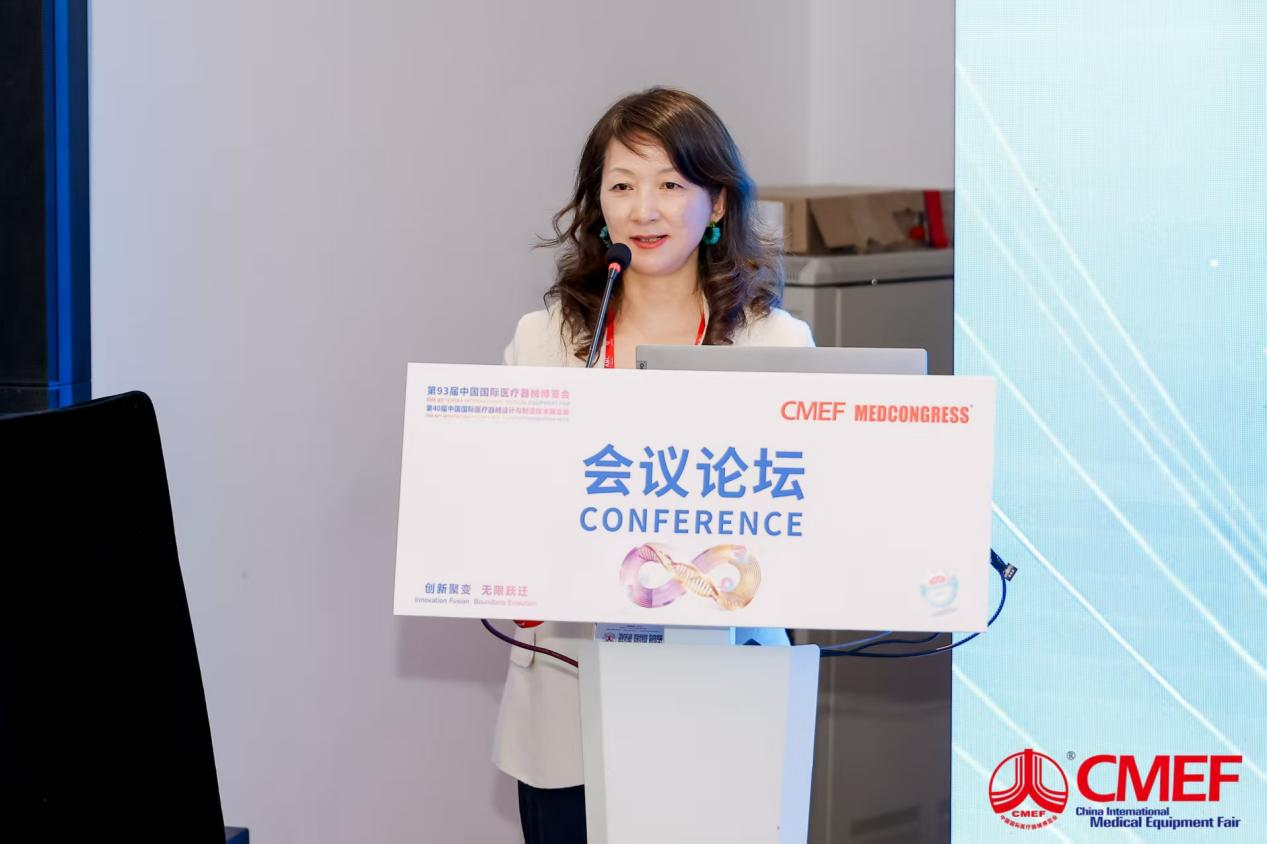
Yang Xiaofang, Secretary-General of CAMDI, noted that effective January 1 of this year, the production ban on mercury-containing thermometers and sphygmomanometers has officially come into full force, marking a pivotal and decisive step for the industry in fulfilling its international treaty obligations, driving industrial upgrading, and advancing Healthy China and green development. The mercury-containing medical device industry has actively responded to the national compliance requirements, taking initiative and working in concert - making persistent efforts and outstanding contributions in the phase-out of mercury-containing devices, the development of mercury-free alternative technologies, the promotion of clinical applications, and the full-chain compliance management - thereby fulfilling the obligations of the Minamata Convention on Mercury through concrete action. These achievements have laid a solid foundation and set an important precedent for mercury pollution prevention and control, as well as for the green industrial transformation of China's medical field.
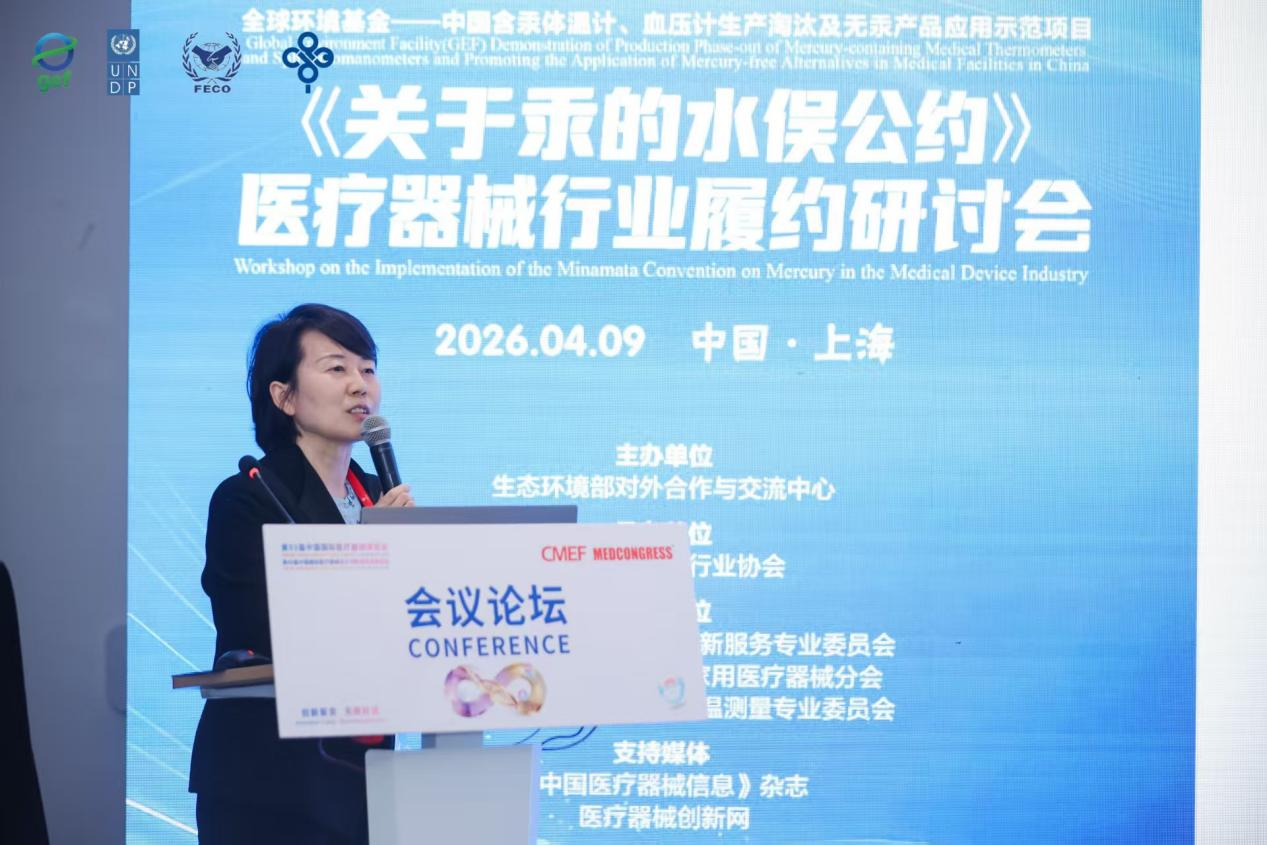
Su Wenna, Project Leader at CAMDI, introduced China's experience and achievements in phasing out mercury-containing medical devices and transitioning to mercury-free alternatives. She noted that China has been actively fulfilling its obligations under the Minamata Convention on Mercury, comprehensively advancing the phase-out of mercury-containing thermometers and sphygmomanometers and the mercury-free transition. By December 2025, the number of mercury-containing medical device manufacturers had been reduced to 16, and demonstration enterprises under the project had cumulatively reduced mercury use by 107 tons in 2024 and 2025 combined. The mercury-free alternative product industry has developed rapidly, with 241 and 248 manufacturers producing electronic thermometers and electronic sphygmomanometers, respectively, and 25 manufacturers producing Galinstan thermometers. Demonstration enterprises have progressively completed technology upgrades, patent deployment, and intelligent production line retrofitting, while also facing challenges, including market promotion of alternative products, disposal of mercury-containing equipment, and harmless treatment of affected sites. Going forward, the industry will continue its transition toward high-quality green development, with a focus on strengthening technological breakthroughs, standardizing disposal processes, and improving green system certifications.
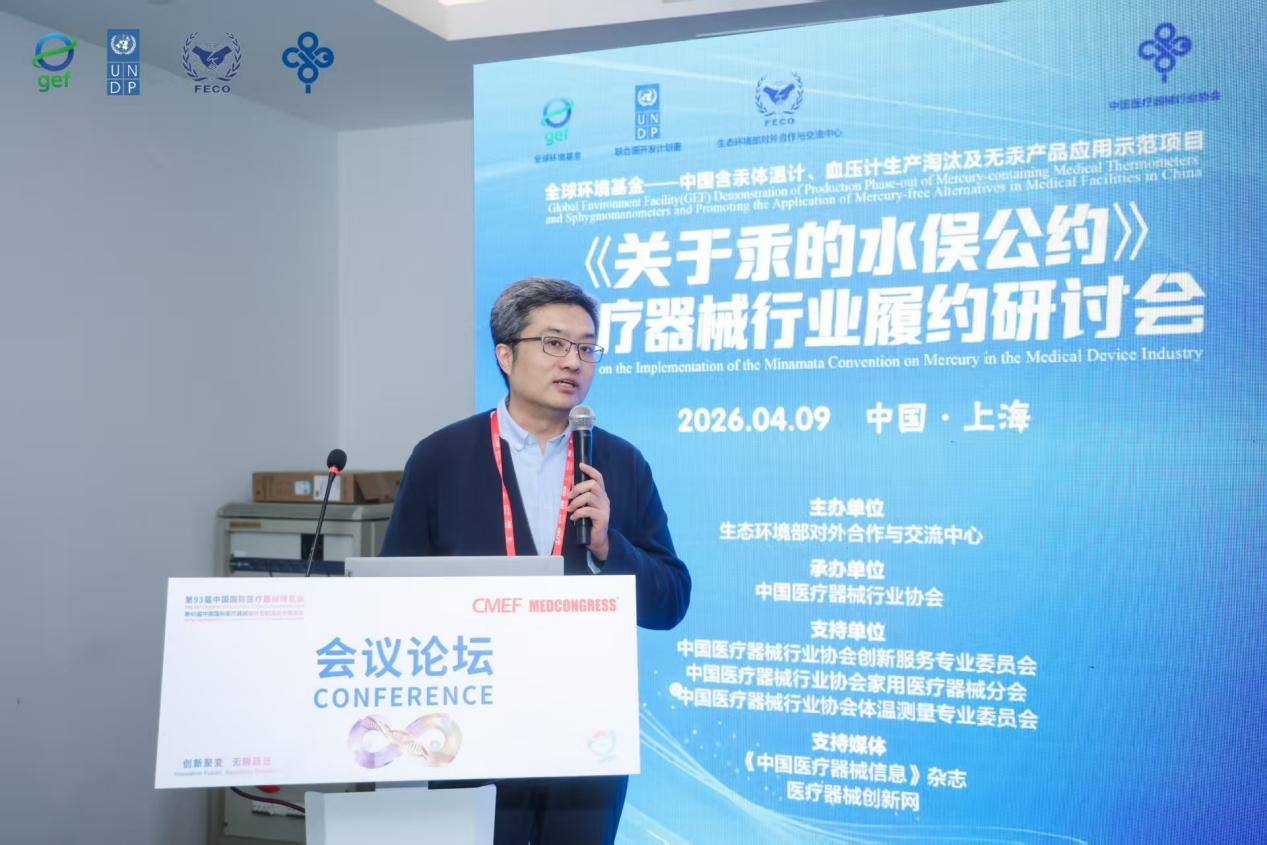
Lu Ming, Director of the Department of Medical Engineering at Beijing Jishuitan Hospital, Capital Medical University, shared his presentation on "Mercury-free Medical Device Substitution Strategies Based on Lifecycle Cost." As one of the first medical institutions in China to explore mercury-free substitution, Beijing Jishuitan Hospital conducted a systematic survey of mercury-containing product usage and mercury leakage during its pilot program, discovering that breakage of thermometers and sphygmomanometers alone resulted in significant mercury loss each year - an issue around which the hospital has conducted highly valuable research. Clinical validation has confirmed that mercury-free alternatives, such as electronic and Galinstan thermometers, can substantially meet clinical needs. Currently, medical institutions still face challenges in advancing mercury-free substitution, including cost investment, ingrained usage habits, and the collection and disposal of mercury-containing devices. Looking ahead, there is an urgent need for policy support and full-process management to drive the medical industry toward green, safe development.
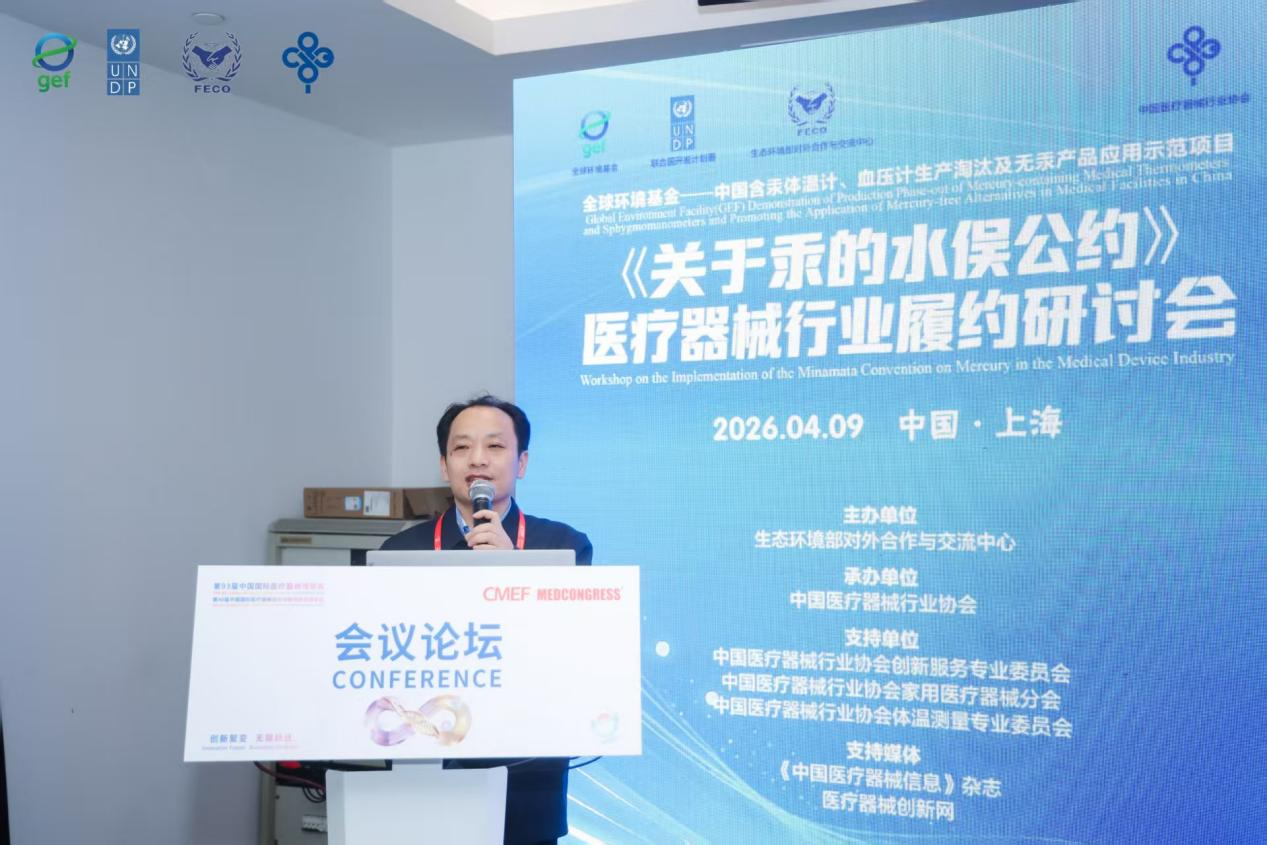
Xie Hong, Deputy Director of the Yuzhong District Health Commission in Chongqing, shared the district's practical experience of "leveraging digital intelligence to enable mercury-free substitution and promote the green transformation of healthcare." As a pilot site for medical institutions' mercury-free substitution under the project, Yuzhong District has been advancing treaty compliance through the approach of "mercury-free substitution, digital intelligence empowerment, medicine-engineering collaboration, and green development." Driven by a dual-group leader mechanism involving the district's Ecology and Environment Bureau and Health Commission, the mercury-free substitution rate across 14 demonstration institutions has reached 89%. By leveraging intelligent IoT-based temperature monitoring systems and a smart medical waste supervision platform, the district has achieved closed-loop management of device quality control, data traceability, and mercury-containing waste throughout the process. The district has also deepened medicine-engineering collaborative innovation, deployed mercury-free health stations, and refined the construction standards for mercury-free hospitals and zero-waste hospitals. Going forward, the district will promote mercury-free healthcare across the board, drive deep integration of digitalization and green development, and build a replicable and scalable "Yuzhong model" for the mercury-free transformation of medical care.
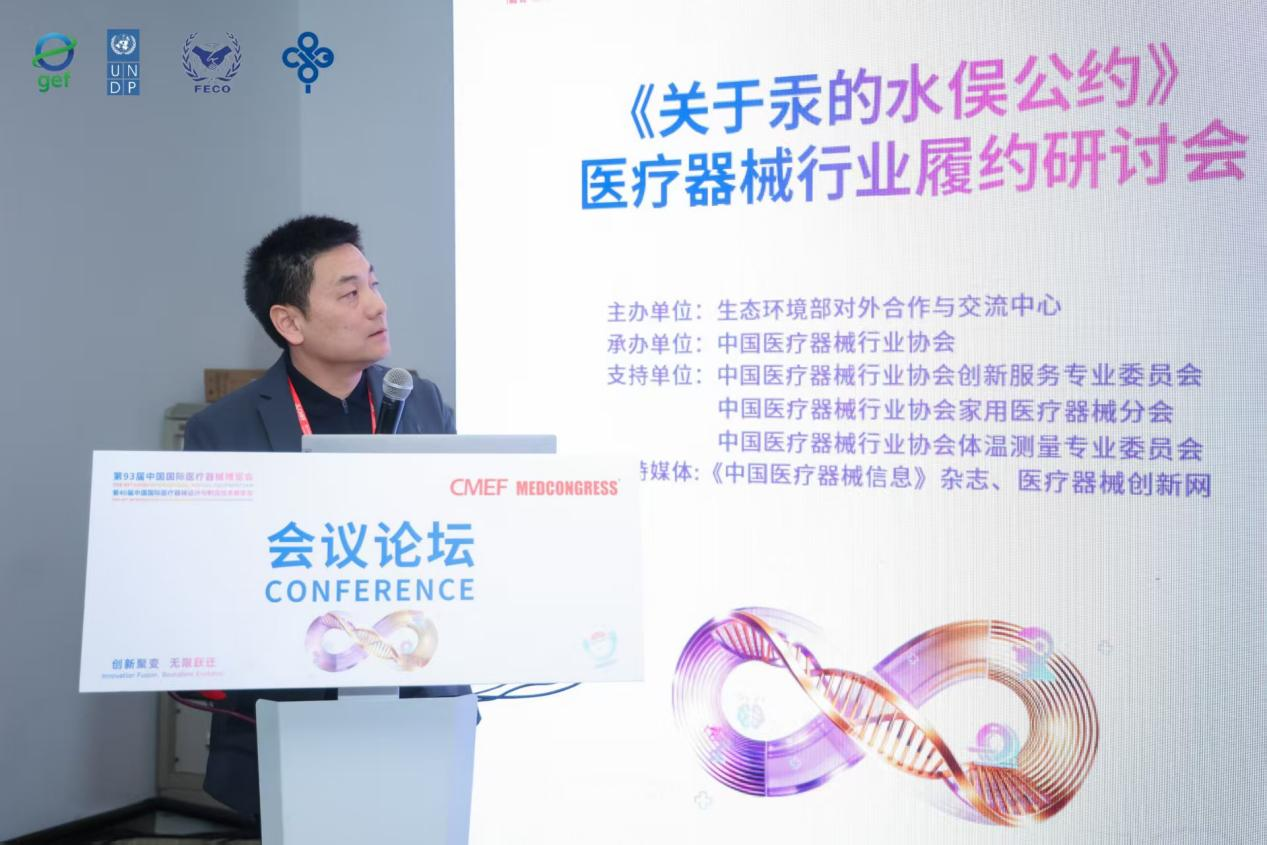
Zhang Bin, Director of the Office of the Leading Group for the Mercury-free Medical Device Substitution Demonstration Project in Zaozhuang City, Shandong Province, presented on the topic of "Extending Coverage to Villages, Towns, and Communities to Broaden Reach and Accumulate Pilot Experience." As a prefecture-level mercury-free medical pilot site under the project, Zaozhuang City has been actively advancing the mercury-free transformation of healthcare services. The project covers 1,730 medical institutions at various levels, with 97 working groups established; the substitution rate among 17 demonstration institutions has reached 92%, and among promotional institutions it exceeds 89%, achieving the phased targets ahead of schedule. The local government has introduced three core management regulations to standardize the storage, disposal, and emergency procedures for mercury-containing devices, and has fostered a positive public awareness environment through educational animations, knowledge competitions, and media publicity. Innovative trial standards for equipment configuration and incentives have been developed, making the substitution rate clearly quantifiable. The project has been clinically validated as safe and effective, while also pioneering solutions to challenges faced at the grassroots level in after-sales service, public education, and asset management, providing a replicable model for the promotion of mercury-free healthcare across prefecture-level cities nationwide.
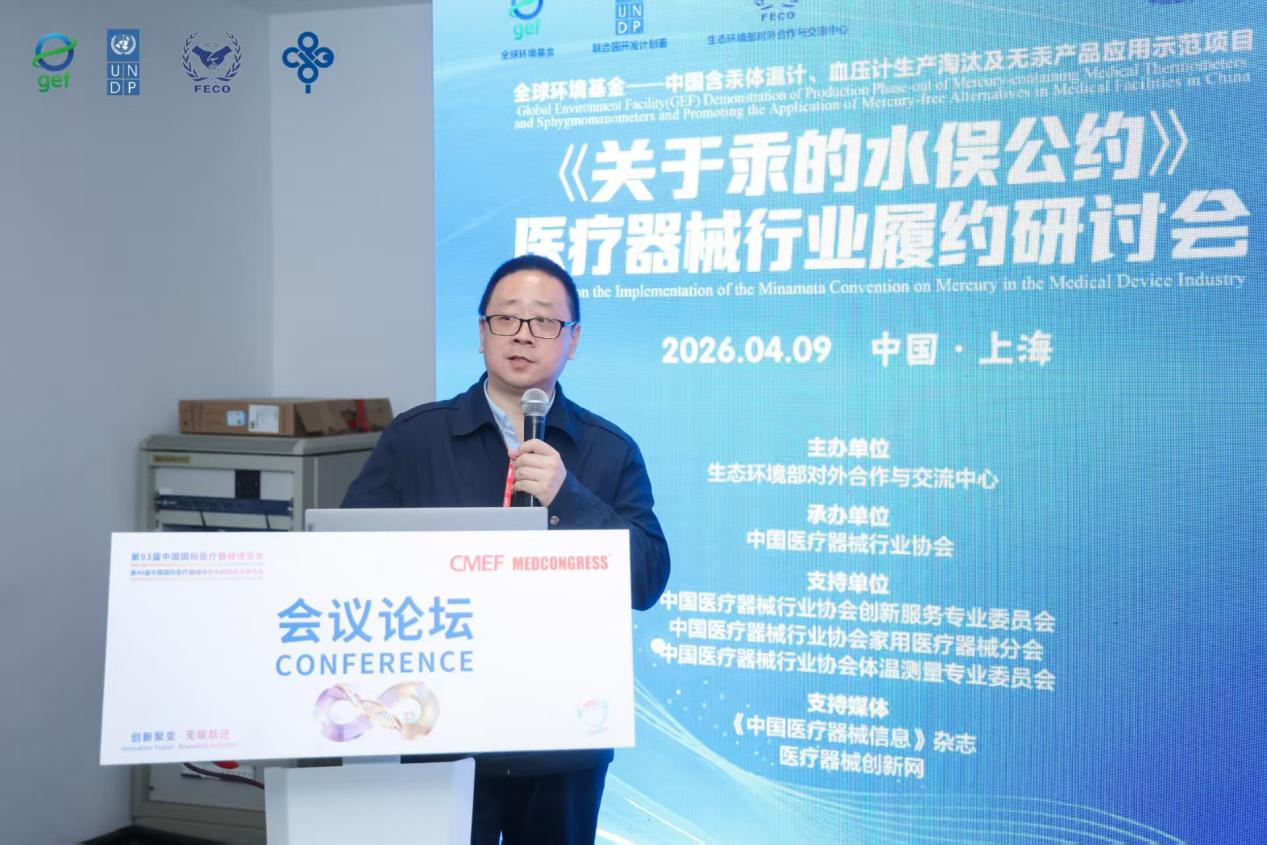
Drawing on first-hand project experience, Prof. Chang Dunhu from the School of Ecology and Environment at Renmin University of China presented on "Financing Needs and Green Financing Strategies for the Transition of the Mercury-containing Medical Device Industry." He noted that financing for the mercury-free transition of the mercury-containing medical device industry is primarily directed at existing stock disposal, incremental capacity expansion, and liquidity support. In the context of approaching compliance milestones under the Minamata Convention on Mercury, green finance has become a key solution. Currently, green credit, green bonds, green funds, and sustainability-linked loans are among the most applicable financial instruments. He proposed adopting a combined financing approach of "inclusive + project-based + innovative" instruments, linking international grants, fiscal funding, financial institutions, and social capital, while establishing comprehensive evaluation, oversight, and risk-sharing mechanisms. This approach is expected to fill funding gaps, lower financing costs, secure healthcare supply, advance a just transition, and ultimately help the industry achieve a comprehensive green upgrade.
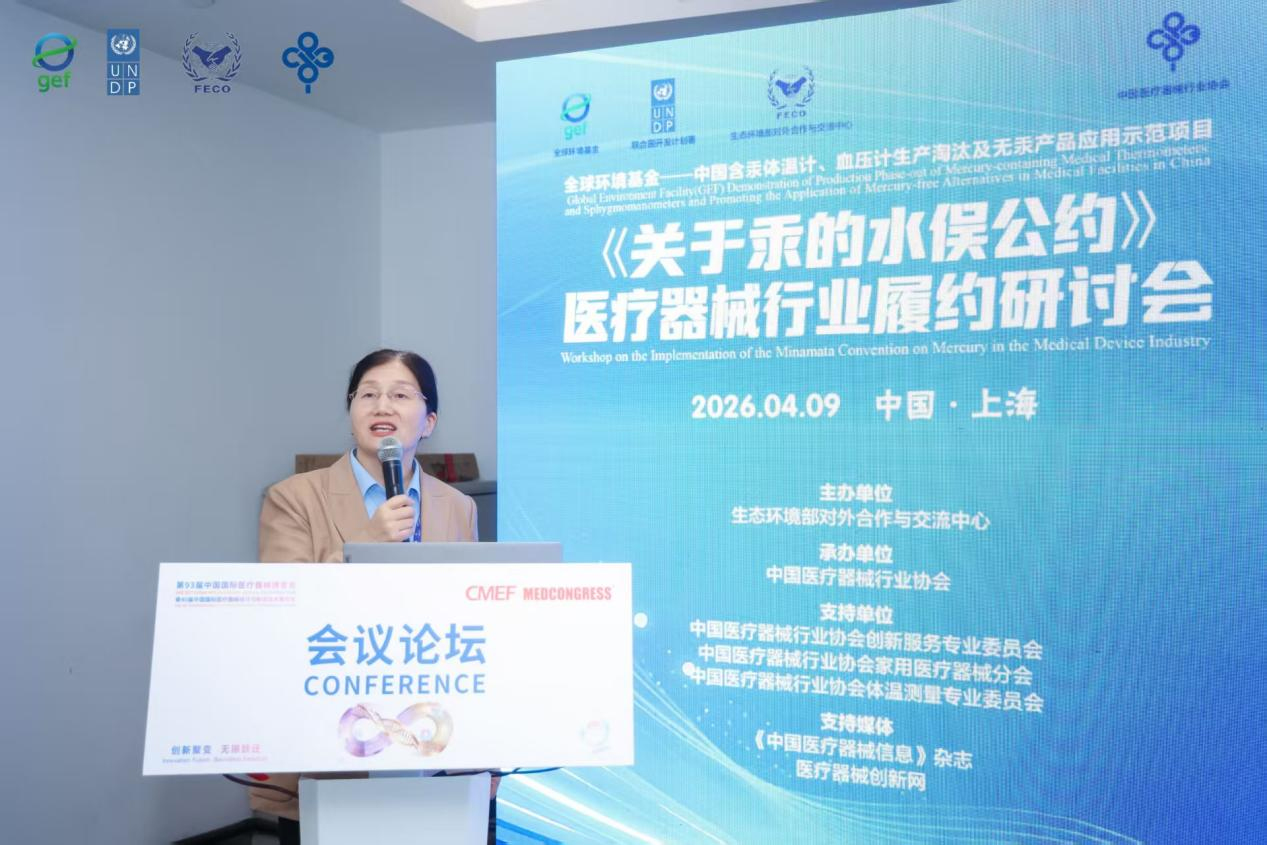
Ms. Liu Fang, Executive Deputy General Manager of Dong E E Hua Medical Technology Co., Ltd., presented a "Case Study of a Typical Enterprise Transition: From Phase-out of Mercury-containing Products to Leadership in Mercury-free Products." With nearly four decades of expertise in the thermometer industry, and under the guidance and support of this project, Dong E E Hua - as an industry leader and a national standard drafting organization - seized the compliance opportunity presented by the Minamata Convention on Mercury and embarked on its mercury-free transition 20 years ahead of schedule. The company has successfully overcome core technical challenges in Galinstan alloys, producing products that are precise, safe, and free of mercury contamination, earning multiple patents and authoritative certifications. Through diverse promotional channels, including high-speed rail, transit advertising, trade shows, science museums, and pharmacy training, the products now cover mainstream pharmaceutical distribution channels and Grade A tertiary hospitals nationwide, and have been exported to multiple EU member states. Throughout the transition, the company has achieved zero mercury pollution discharge, led the upgrade of industry standards, and helped Dong'e County become a demonstration county for mercury-free temperature measurement. With the strategic approach of "early deployment, technology leadership, standards-driven development, and all-domain promotion," the company has set a replicable benchmark for mercury-free transformation across the industry.
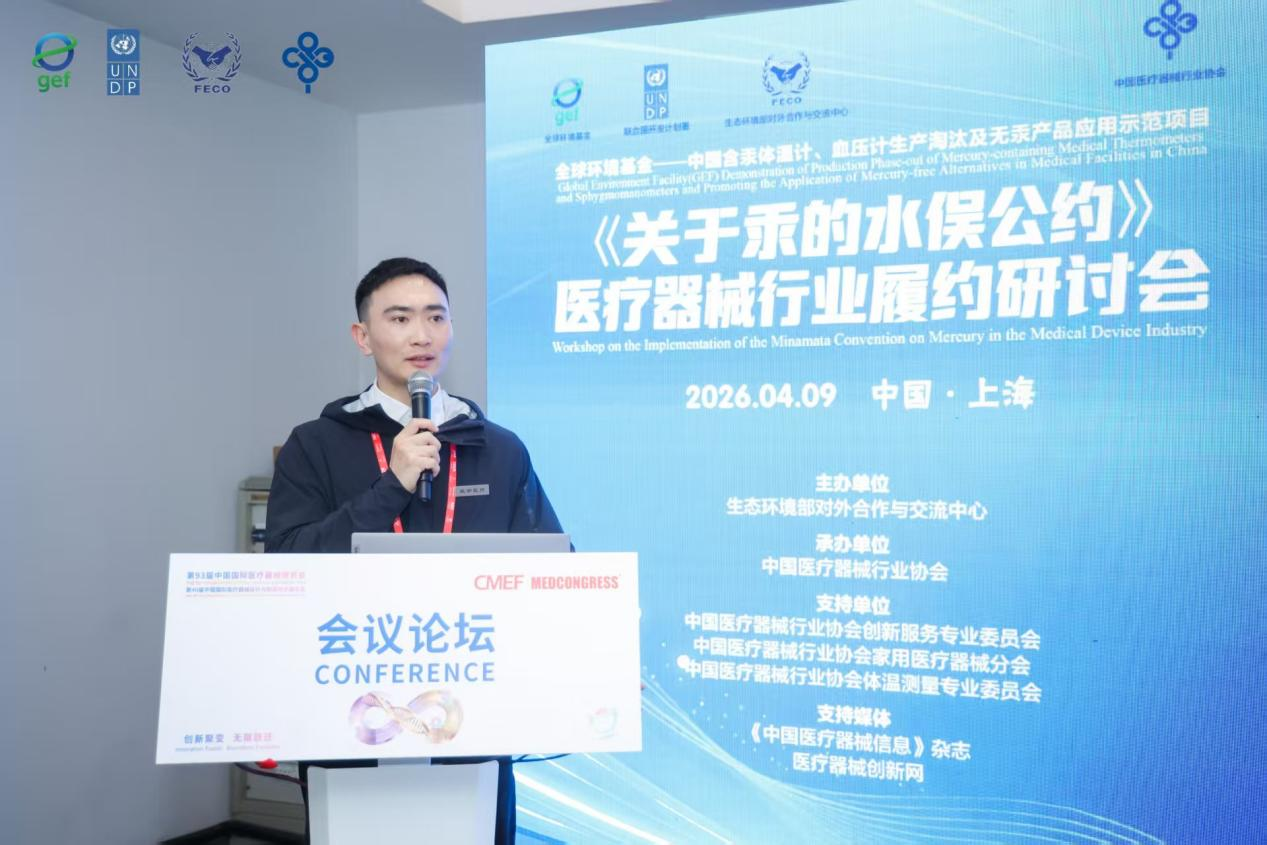
Qi Hongliang, National Sales Director of Jiangsu Chenyu Medical Devices Co., Ltd., presented on the theme of "Honoring Compliance Commitments and Leading Green Development - The Enterprise Transition Journey." Having been deeply rooted in the thermometer sector for 66 years, Jiangsu Chenyu - guided and supported by this project - collaborated with Shanghai Jiao Tong University on industry-academia-research breakthroughs and, after 11 years of effort, successfully mastered the core technology for Galinstan liquid metal alloys, holding two invention patents. Its products achieve precision comparable to mercury thermometers while offering the advantages of being non-toxic, safe, and easy to operate. Covering all channels, including healthcare, home use, and retail, the products serve over 100 Grade A tertiary hospitals; they are ISO 13485 and CE certified and sold in more than 20 countries and regions worldwide. Guided by the philosophy of "forward-looking deployment, technology leadership, and quality-first," the company has successfully addressed the industry's key transition pain points, set a benchmark for mercury-free substitution in medical devices nationwide, and powerfully advanced the high-quality development of green healthcare.
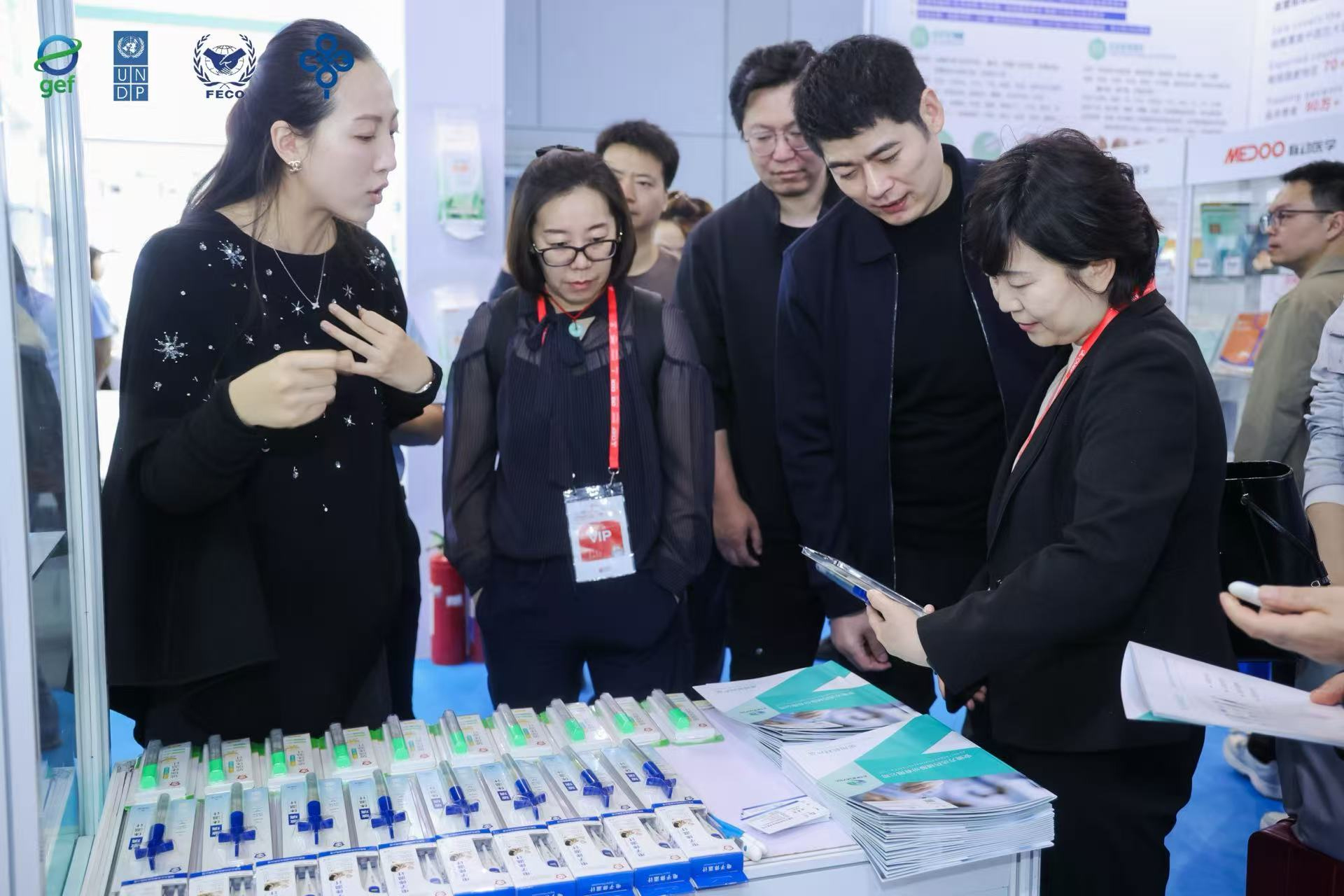
On April 10, the host arranged for attending guests to tour demonstration enterprises under the project. The enterprises showcased on-site a range of mainstream mercury-free alternative products, including Galinstan thermometers, intelligent electronic thermometers, medical temperature patches, electronic sphygmomanometers, and intelligent IoT-based central temperature monitoring systems, presenting the latest achievements in China's mercury-free transformation of medical devices. Mercury-free alternative products have now achieved compliance with accuracy requirements, safety and environmental standards, and ease of operation, with notable new technological highlights, including smart temperature measurement, immersion-disinfection-compatible designs, and Bluetooth data transmission; the scale, standardization, and intelligence level of alternative products continue to improve, fully meeting the needs of both clinical and household use.
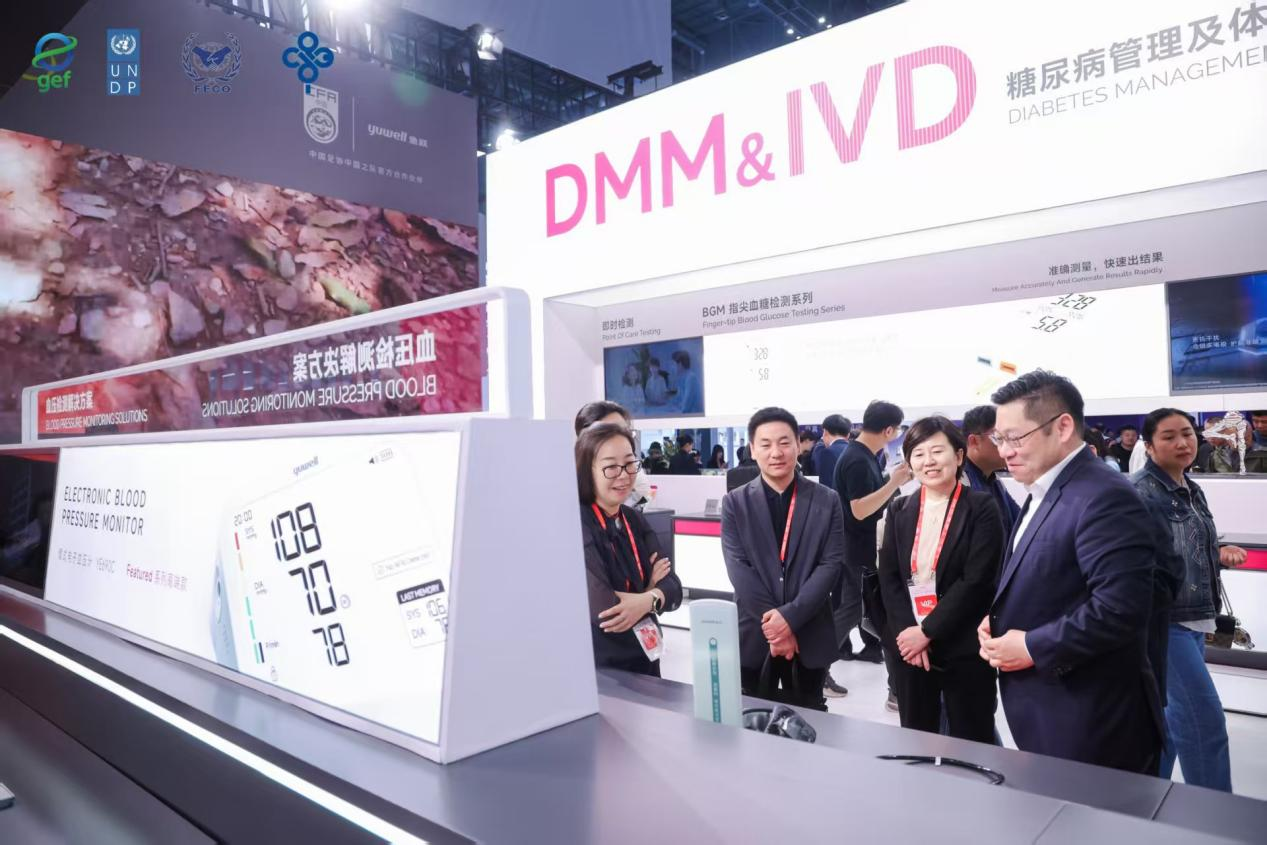
Jiangsu Yuyue Medical Equipment & Supply Co., Ltd. Showcasing Electronic Sphygmomanometers
This workshop and exhibition tour served both as a comprehensive review of earlier compliance achievements and as a platform for technical exchange and experience-sharing across the industry. At present, China's mercury-free alternative products have achieved diversified product categories, leading technology, reliable quality, and sufficient production capacity, establishing the industrial foundation for comprehensive substitution. Looking ahead, with continued policy guidance, market penetration, and ongoing technological upgrades, mercury-free medical devices will accelerate their adoption across medical institutions at all levels and into households nationwide, providing solid support for China's timely fulfillment of the Minamata Convention, the promotion of green and low-carbon development in the healthcare sector, and the building of a Healthy China and Beautiful China.
Opening Remarks
Guo Shuhui, Chief Expert of Convention Implementation Division IV at FECO
In her opening remarks, Guo Shuhui, Chief Expert of Convention Implementation Division IV at FECO, noted that the comprehensive green transformation of the medical industry represents a solemn commitment to safeguarding public health and wellbeing, and is an essential step toward achieving "Healthy China" and "Beautiful China." The "GEF Demonstration of Production Phase-out of Mercury-containing Medical Thermometers and Sphygmomanometers and Promoting the Application of Mercury-free Alternatives in Medical Facilities in China" aims to accelerate the phase-out of mercury-containing medical device production and the mercury-free technological transition, support medical institutions in adopting and promoting mercury-free alternative products, help the industry fulfill its international obligations, and achieve green and sustainable development. By hosting the workshop, she expressed FECO's hope that all parties would engage in substantive exchanges to foster dialogue and cooperation among government bodies, the industry, medical institutions, and other stakeholders, advance industry-academia-research collaborative innovation, and lay a more solid foundation for the high-quality development of the mercury-free medical device sector and the industry's green, low-carbon transition.
Yang Xiaofang, Secretary-General of CAMDI
Yang Xiaofang, Secretary-General of CAMDI, noted that effective January 1 of this year, the production ban on mercury-containing thermometers and sphygmomanometers has officially come into full force, marking a pivotal and decisive step for the industry in fulfilling its international treaty obligations, driving industrial upgrading, and advancing Healthy China and green development. The mercury-containing medical device industry has actively responded to the national compliance requirements, taking initiative and working in concert - making persistent efforts and outstanding contributions in the phase-out of mercury-containing devices, the development of mercury-free alternative technologies, the promotion of clinical applications, and the full-chain compliance management - thereby fulfilling the obligations of the Minamata Convention on Mercury through concrete action. These achievements have laid a solid foundation and set an important precedent for mercury pollution prevention and control, as well as for the green industrial transformation of China's medical field.
Keynote Speeches
Su Wenna, Project Leader at CAMDI
Su Wenna, Project Leader at CAMDI, introduced China's experience and achievements in phasing out mercury-containing medical devices and transitioning to mercury-free alternatives. She noted that China has been actively fulfilling its obligations under the Minamata Convention on Mercury, comprehensively advancing the phase-out of mercury-containing thermometers and sphygmomanometers and the mercury-free transition. By December 2025, the number of mercury-containing medical device manufacturers had been reduced to 16, and demonstration enterprises under the project had cumulatively reduced mercury use by 107 tons in 2024 and 2025 combined. The mercury-free alternative product industry has developed rapidly, with 241 and 248 manufacturers producing electronic thermometers and electronic sphygmomanometers, respectively, and 25 manufacturers producing Galinstan thermometers. Demonstration enterprises have progressively completed technology upgrades, patent deployment, and intelligent production line retrofitting, while also facing challenges, including market promotion of alternative products, disposal of mercury-containing equipment, and harmless treatment of affected sites. Going forward, the industry will continue its transition toward high-quality green development, with a focus on strengthening technological breakthroughs, standardizing disposal processes, and improving green system certifications.
Lu Ming, Director of Department of Medical Engineering, Beijing Jishuitan Hospital, Capital Medical University
Lu Ming, Director of the Department of Medical Engineering at Beijing Jishuitan Hospital, Capital Medical University, shared his presentation on "Mercury-free Medical Device Substitution Strategies Based on Lifecycle Cost." As one of the first medical institutions in China to explore mercury-free substitution, Beijing Jishuitan Hospital conducted a systematic survey of mercury-containing product usage and mercury leakage during its pilot program, discovering that breakage of thermometers and sphygmomanometers alone resulted in significant mercury loss each year - an issue around which the hospital has conducted highly valuable research. Clinical validation has confirmed that mercury-free alternatives, such as electronic and Galinstan thermometers, can substantially meet clinical needs. Currently, medical institutions still face challenges in advancing mercury-free substitution, including cost investment, ingrained usage habits, and the collection and disposal of mercury-containing devices. Looking ahead, there is an urgent need for policy support and full-process management to drive the medical industry toward green, safe development.
Xie Hong, Deputy Director of Yuzhong District Health Commission, Chongqing
Xie Hong, Deputy Director of the Yuzhong District Health Commission in Chongqing, shared the district's practical experience of "leveraging digital intelligence to enable mercury-free substitution and promote the green transformation of healthcare." As a pilot site for medical institutions' mercury-free substitution under the project, Yuzhong District has been advancing treaty compliance through the approach of "mercury-free substitution, digital intelligence empowerment, medicine-engineering collaboration, and green development." Driven by a dual-group leader mechanism involving the district's Ecology and Environment Bureau and Health Commission, the mercury-free substitution rate across 14 demonstration institutions has reached 89%. By leveraging intelligent IoT-based temperature monitoring systems and a smart medical waste supervision platform, the district has achieved closed-loop management of device quality control, data traceability, and mercury-containing waste throughout the process. The district has also deepened medicine-engineering collaborative innovation, deployed mercury-free health stations, and refined the construction standards for mercury-free hospitals and zero-waste hospitals. Going forward, the district will promote mercury-free healthcare across the board, drive deep integration of digitalization and green development, and build a replicable and scalable "Yuzhong model" for the mercury-free transformation of medical care.
Zhang Bin, Director of Office of the Leading Group for the Mercury-free Medical Device Substitution Demonstration Project, Zaozhuang City, Shandong Province
Zhang Bin, Director of the Office of the Leading Group for the Mercury-free Medical Device Substitution Demonstration Project in Zaozhuang City, Shandong Province, presented on the topic of "Extending Coverage to Villages, Towns, and Communities to Broaden Reach and Accumulate Pilot Experience." As a prefecture-level mercury-free medical pilot site under the project, Zaozhuang City has been actively advancing the mercury-free transformation of healthcare services. The project covers 1,730 medical institutions at various levels, with 97 working groups established; the substitution rate among 17 demonstration institutions has reached 92%, and among promotional institutions it exceeds 89%, achieving the phased targets ahead of schedule. The local government has introduced three core management regulations to standardize the storage, disposal, and emergency procedures for mercury-containing devices, and has fostered a positive public awareness environment through educational animations, knowledge competitions, and media publicity. Innovative trial standards for equipment configuration and incentives have been developed, making the substitution rate clearly quantifiable. The project has been clinically validated as safe and effective, while also pioneering solutions to challenges faced at the grassroots level in after-sales service, public education, and asset management, providing a replicable model for the promotion of mercury-free healthcare across prefecture-level cities nationwide.
Prof. Chang Dunhu, School of Ecology & Environment, Renmin University of China
Drawing on first-hand project experience, Prof. Chang Dunhu from the School of Ecology and Environment at Renmin University of China presented on "Financing Needs and Green Financing Strategies for the Transition of the Mercury-containing Medical Device Industry." He noted that financing for the mercury-free transition of the mercury-containing medical device industry is primarily directed at existing stock disposal, incremental capacity expansion, and liquidity support. In the context of approaching compliance milestones under the Minamata Convention on Mercury, green finance has become a key solution. Currently, green credit, green bonds, green funds, and sustainability-linked loans are among the most applicable financial instruments. He proposed adopting a combined financing approach of "inclusive + project-based + innovative" instruments, linking international grants, fiscal funding, financial institutions, and social capital, while establishing comprehensive evaluation, oversight, and risk-sharing mechanisms. This approach is expected to fill funding gaps, lower financing costs, secure healthcare supply, advance a just transition, and ultimately help the industry achieve a comprehensive green upgrade.
Liu Fang, Executive Deputy General Manager of Dong E E Hua Medical Technology Co., Ltd.
Ms. Liu Fang, Executive Deputy General Manager of Dong E E Hua Medical Technology Co., Ltd., presented a "Case Study of a Typical Enterprise Transition: From Phase-out of Mercury-containing Products to Leadership in Mercury-free Products." With nearly four decades of expertise in the thermometer industry, and under the guidance and support of this project, Dong E E Hua - as an industry leader and a national standard drafting organization - seized the compliance opportunity presented by the Minamata Convention on Mercury and embarked on its mercury-free transition 20 years ahead of schedule. The company has successfully overcome core technical challenges in Galinstan alloys, producing products that are precise, safe, and free of mercury contamination, earning multiple patents and authoritative certifications. Through diverse promotional channels, including high-speed rail, transit advertising, trade shows, science museums, and pharmacy training, the products now cover mainstream pharmaceutical distribution channels and Grade A tertiary hospitals nationwide, and have been exported to multiple EU member states. Throughout the transition, the company has achieved zero mercury pollution discharge, led the upgrade of industry standards, and helped Dong'e County become a demonstration county for mercury-free temperature measurement. With the strategic approach of "early deployment, technology leadership, standards-driven development, and all-domain promotion," the company has set a replicable benchmark for mercury-free transformation across the industry.
Qi Hongliang, National Sales Director of Jiangsu Chenyu Medical Devices Co., Ltd.
Qi Hongliang, National Sales Director of Jiangsu Chenyu Medical Devices Co., Ltd., presented on the theme of "Honoring Compliance Commitments and Leading Green Development - The Enterprise Transition Journey." Having been deeply rooted in the thermometer sector for 66 years, Jiangsu Chenyu - guided and supported by this project - collaborated with Shanghai Jiao Tong University on industry-academia-research breakthroughs and, after 11 years of effort, successfully mastered the core technology for Galinstan liquid metal alloys, holding two invention patents. Its products achieve precision comparable to mercury thermometers while offering the advantages of being non-toxic, safe, and easy to operate. Covering all channels, including healthcare, home use, and retail, the products serve over 100 Grade A tertiary hospitals; they are ISO 13485 and CE certified and sold in more than 20 countries and regions worldwide. Guided by the philosophy of "forward-looking deployment, technology leadership, and quality-first," the company has successfully addressed the industry's key transition pain points, set a benchmark for mercury-free substitution in medical devices nationwide, and powerfully advanced the high-quality development of green healthcare.
Demonstration Enterprise Exhibition Tour
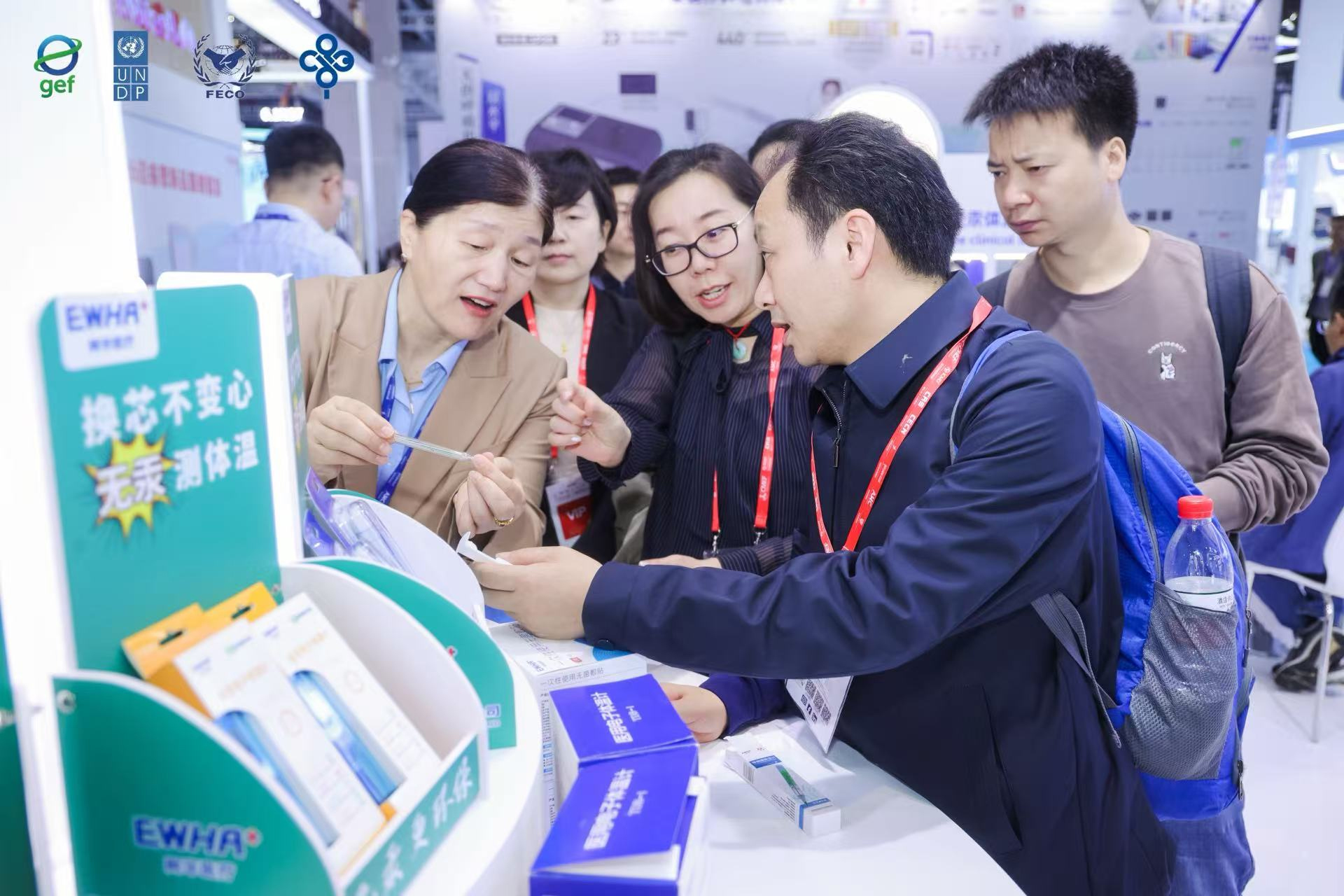
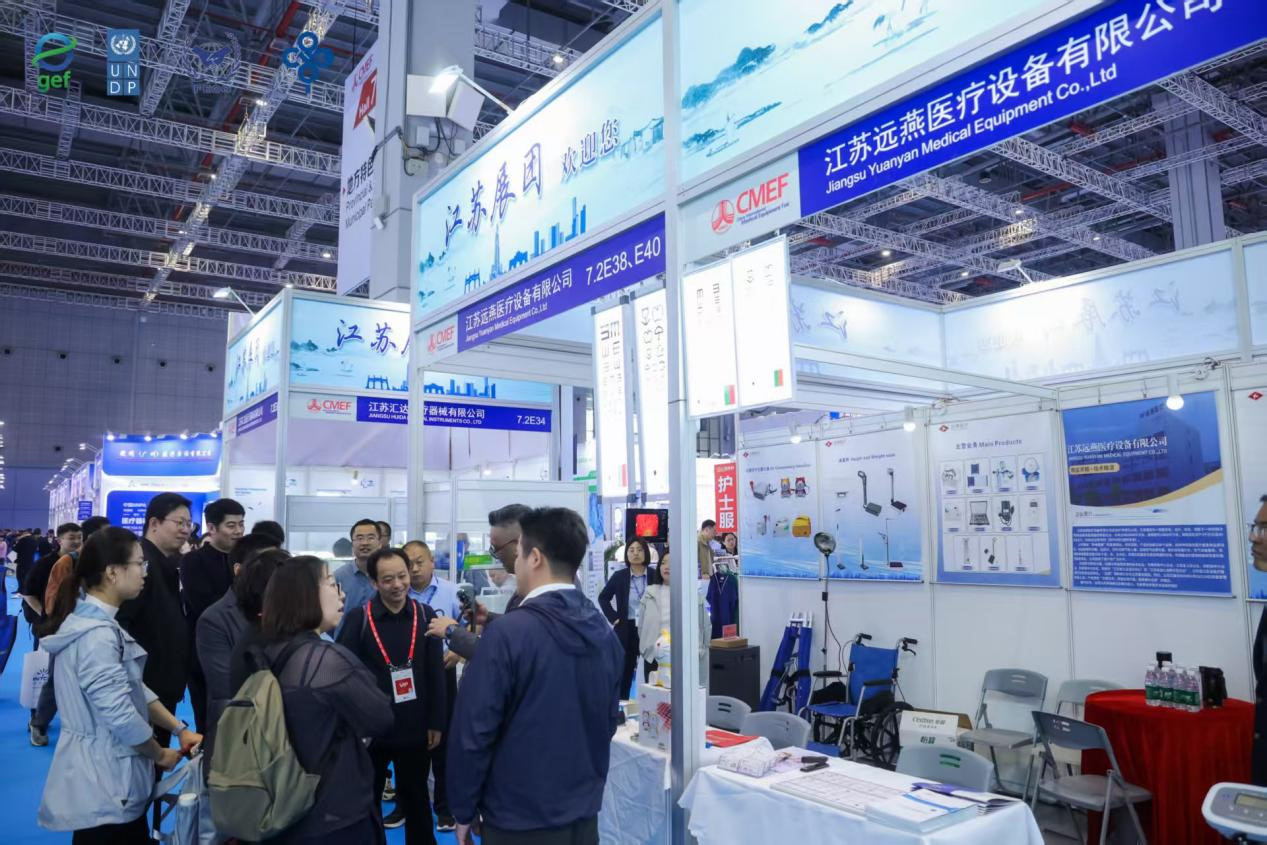
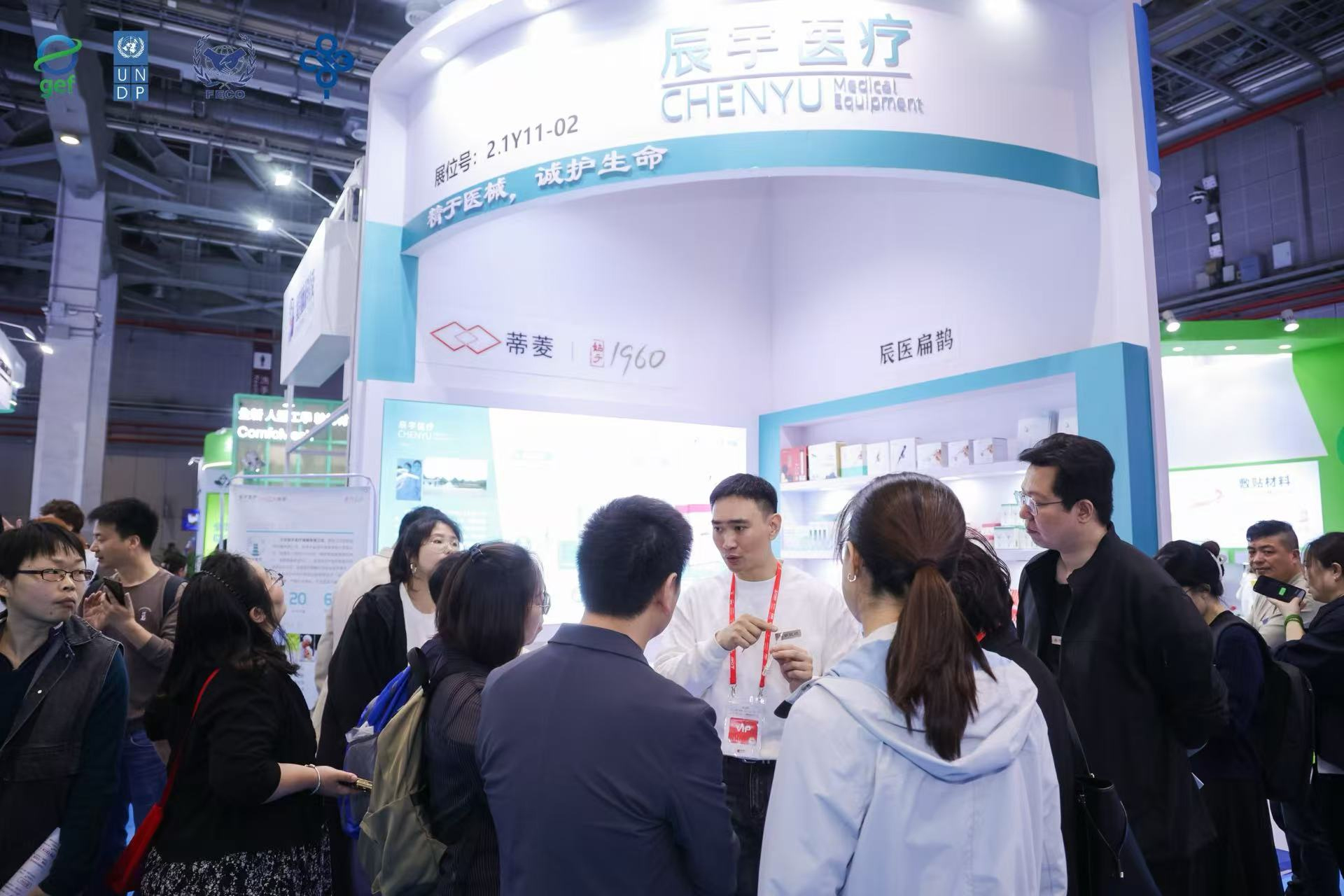
On April 10, the host arranged for attending guests to tour demonstration enterprises under the project. The enterprises showcased on-site a range of mainstream mercury-free alternative products, including Galinstan thermometers, intelligent electronic thermometers, medical temperature patches, electronic sphygmomanometers, and intelligent IoT-based central temperature monitoring systems, presenting the latest achievements in China's mercury-free transformation of medical devices. Mercury-free alternative products have now achieved compliance with accuracy requirements, safety and environmental standards, and ease of operation, with notable new technological highlights, including smart temperature measurement, immersion-disinfection-compatible designs, and Bluetooth data transmission; the scale, standardization, and intelligence level of alternative products continue to improve, fully meeting the needs of both clinical and household use.
Dong E E Hua Medical Technology Co., Ltd. Showcasing Galinstan Thermometers and Temperature Patches
Jiangsu Yuanyan Medical Equipment Co., Ltd. Showcasing Mechanical Sphygmomanometers
Anhui Fangda Pharmaceutical Co., Ltd. Showcasing Galinstan Thermometers
Jiangsu Chenyu Medical Devices Co., Ltd. Showcasing Galinstan Thermometers
This workshop and exhibition tour served both as a comprehensive review of earlier compliance achievements and as a platform for technical exchange and experience-sharing across the industry. At present, China's mercury-free alternative products have achieved diversified product categories, leading technology, reliable quality, and sufficient production capacity, establishing the industrial foundation for comprehensive substitution. Looking ahead, with continued policy guidance, market penetration, and ongoing technological upgrades, mercury-free medical devices will accelerate their adoption across medical institutions at all levels and into households nationwide, providing solid support for China's timely fulfillment of the Minamata Convention, the promotion of green and low-carbon development in the healthcare sector, and the building of a Healthy China and Beautiful China.