
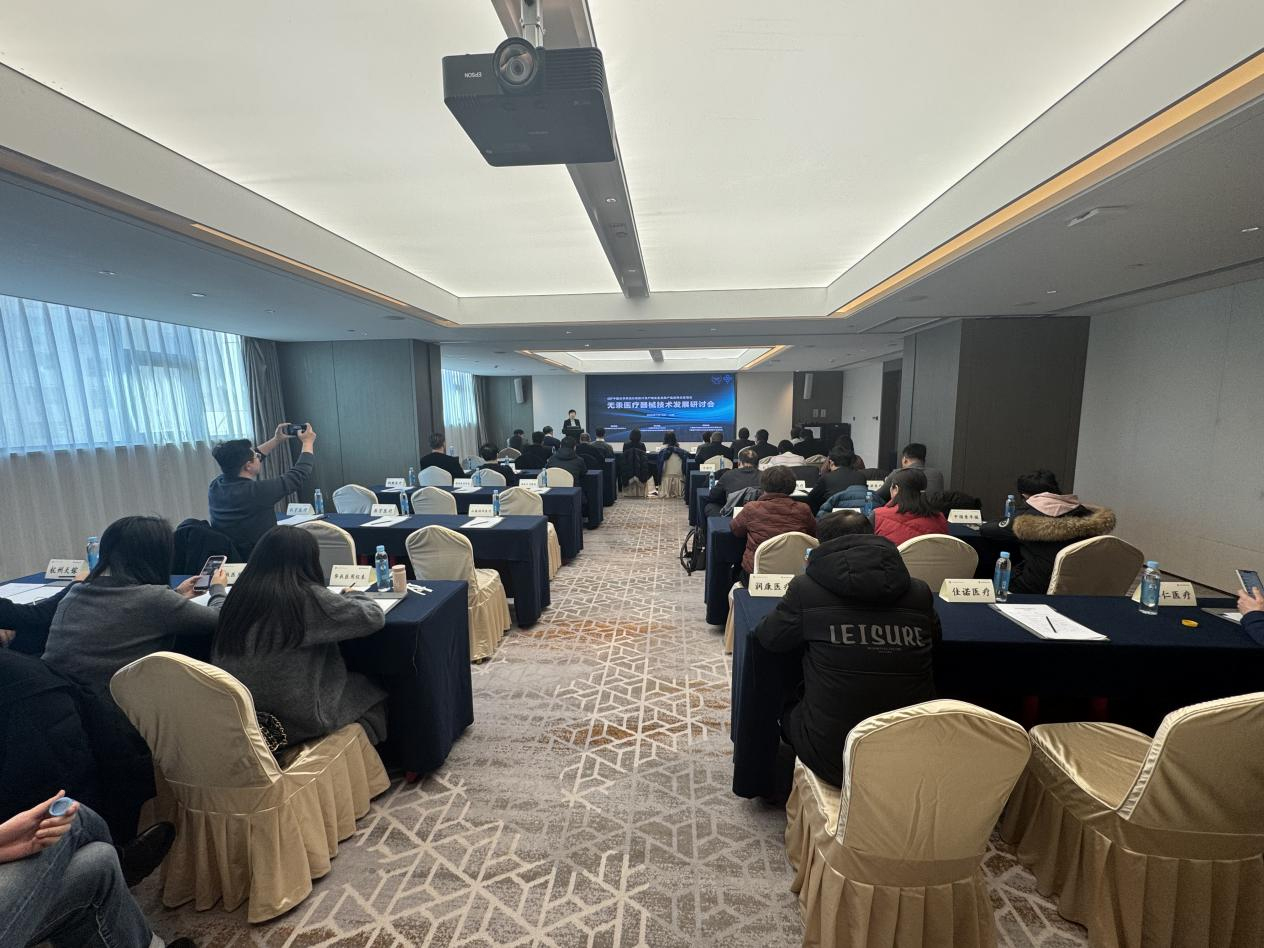
With a focus on the transformation and upgrading process of the mercury-containing thermometer and sphygmomanometer industry, this seminar conducted in-depth discussions on the critical pathways and implementation strategies for the industry's mercury-free development through interpretation of policy directions, review of project outcomes, analysis of technical bottlenecks, and exchanges of practical experience. Experts from medical device registration and review authorities, universities and research institutes, testing and inspection agencies, and healthcare facilities, along with representatives from related manufacturers, business enterprises, and the media, attended the seminar and engaged in full exchanges and discussions with the guest speakers on relevant topics. The seminar also received support from relevant professional committees within CAMDI: the Innovation Services Committee, the Domestic Medical Devices Branch, and the Temperature Measurement Specialized Committee all sent representatives to attend.
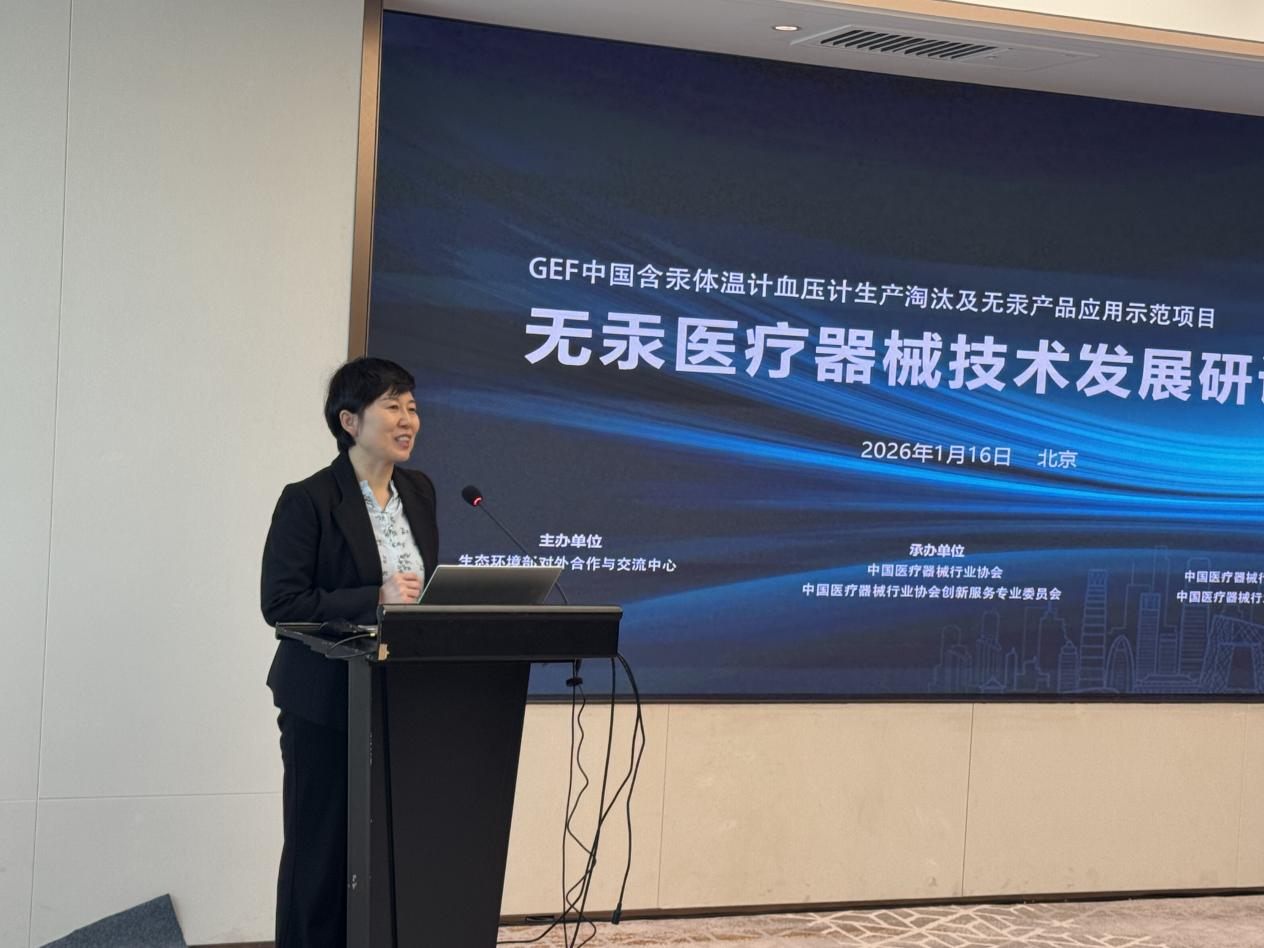
In her opening remarks, Su Wenna, the relevant project manager at CAMDI, first expressed her gratitude to all attendees for their support of the seminar. She noted that, as of January 1, 2026, the production ban on mercury-containing thermometers and mercury-containing sphygmomanometers has been fully implemented in China, marking a crucial step forward for China's medical device industry in fulfilling international conventions, promoting industrial upgrading, and implementing the Healthy China Initiative and the concept of green development.
She further recalled that since 2010, CAMDI has been committed to promoting the industry's mercury-free transition. By conducting industry research, participating in technical preparations for international negotiations, assisting enterprises with exemption applications, and organizing and participating in domestic and international cooperation meetings, CAMDI has been deeply involved in multiple efforts, including researching best environmental practices for the medical device manufacturing industry, analyzing the socioeconomic impact of the mercury-free transition, building capacity for China's fulfillment of the Minamata Convention on Mercury, and related Global Environment Facility (GEF) projects. These efforts aim to systematically advance the phase-out of mercury-containing thermometers and sphygmomanometers and the application demonstration of mercury-free products, leading the industry steadily toward comprehensive green, low-carbon, and high-tech advancement.
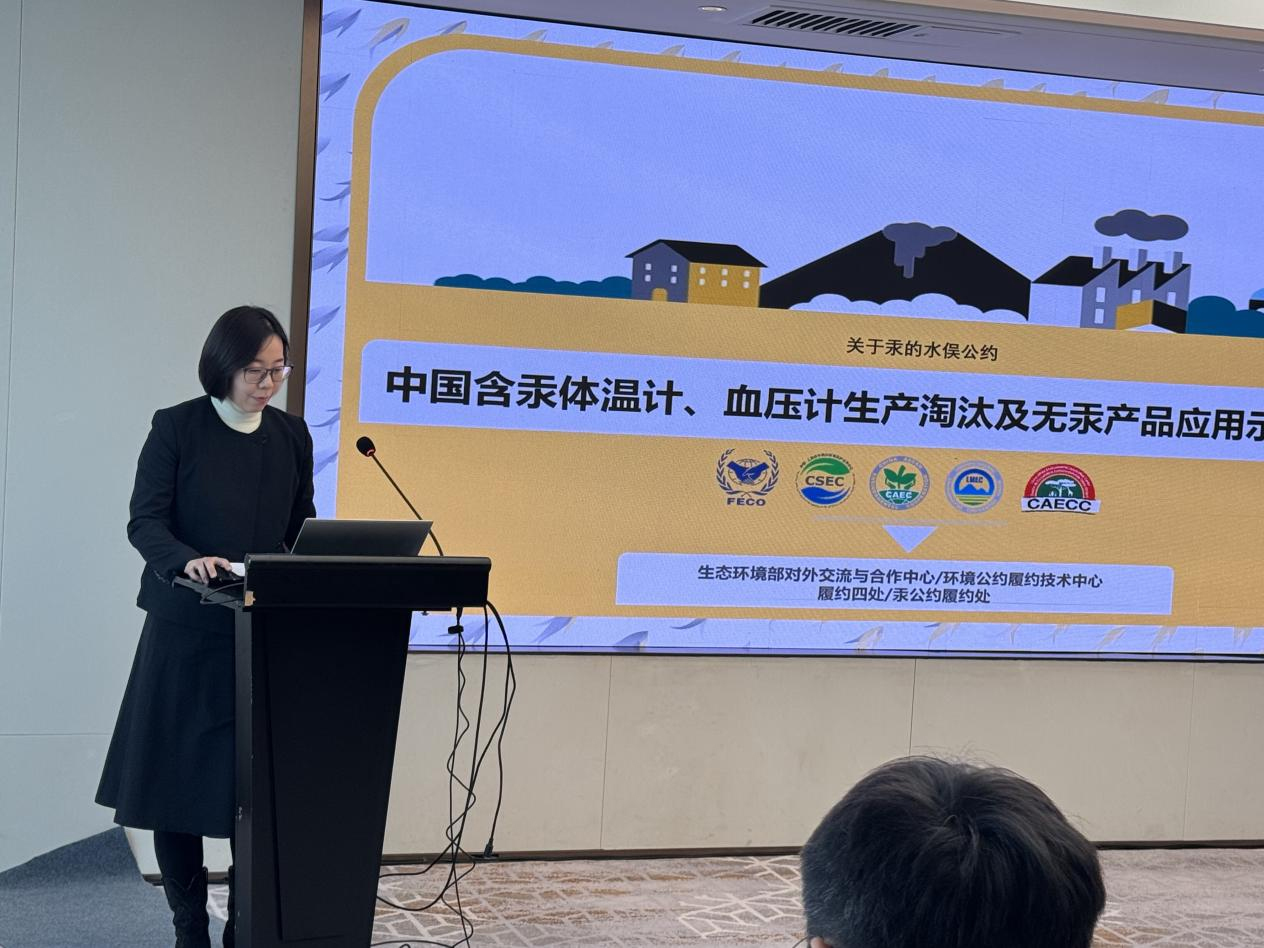
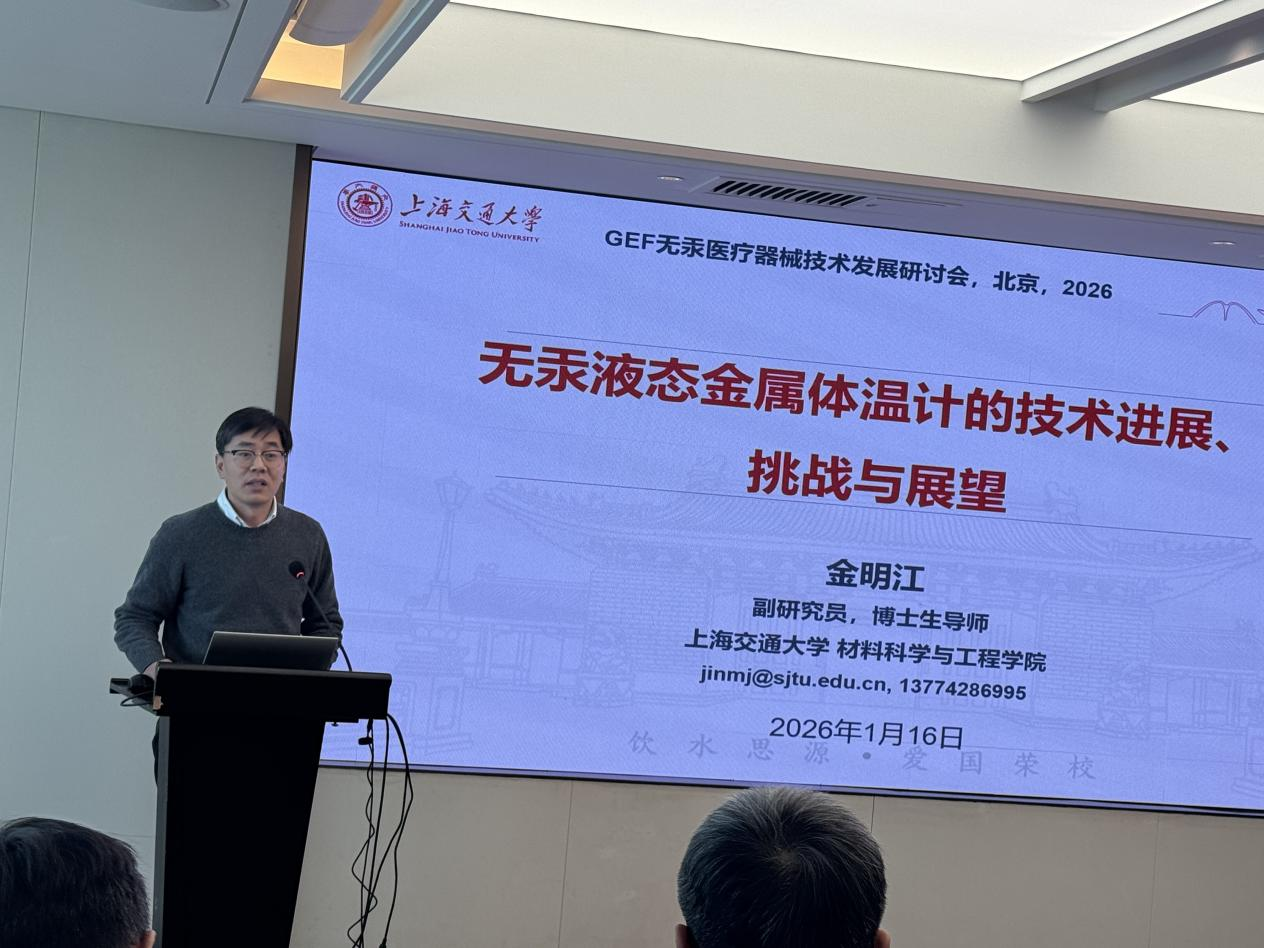
Mercury-free liquid metal thermometers are one of the core products in realizing the medical device industry's mercury-free transition. Jin Mingjiang, Associate Researcher at the School of Materials Science and Engineering, Shanghai Jiao Tong University, delivered a special report titled "Technical Advances, Challenges, and Prospects of Mercury-Free Liquid Metal Thermometers." He systematically presented his team's R&D achievements in the field of functional metal materials, with a focus on the development trajectory, key technological breakthroughs, current core challenges, and future technical development directions with respect to mercury-free liquid metal thermometers. Professor Jin's systematic analysis of the technical pathway for mercury-free liquid metal thermometers provides crucial technical support and forward guidance for China's fulfillment of the international mercury convention and achievement of a green transition in the medical field.
Subsequently, an expert from the Medical Device Registration Management Division of the Beijing Municipal Medical Products Administration provided a detailed interpretation of the guiding principles for technical review of registration of clinical electronic thermometers and electronic sphygmomanometers, covering key aspects, such as product naming, structural composition, operating principles, division of registration units, scope of application, risk management, technical indicators, and label management. The expert also conducted on-site exchanges with on-site enterprise representatives regarding practical operational issues, from which enterprises obtained clear registration and approval criteria and technical requirements. This helped to standardize and accelerate the market access of mercury-free medical devices, thereby promoting the implementation of the mercury-free transition in China's healthcare industry.
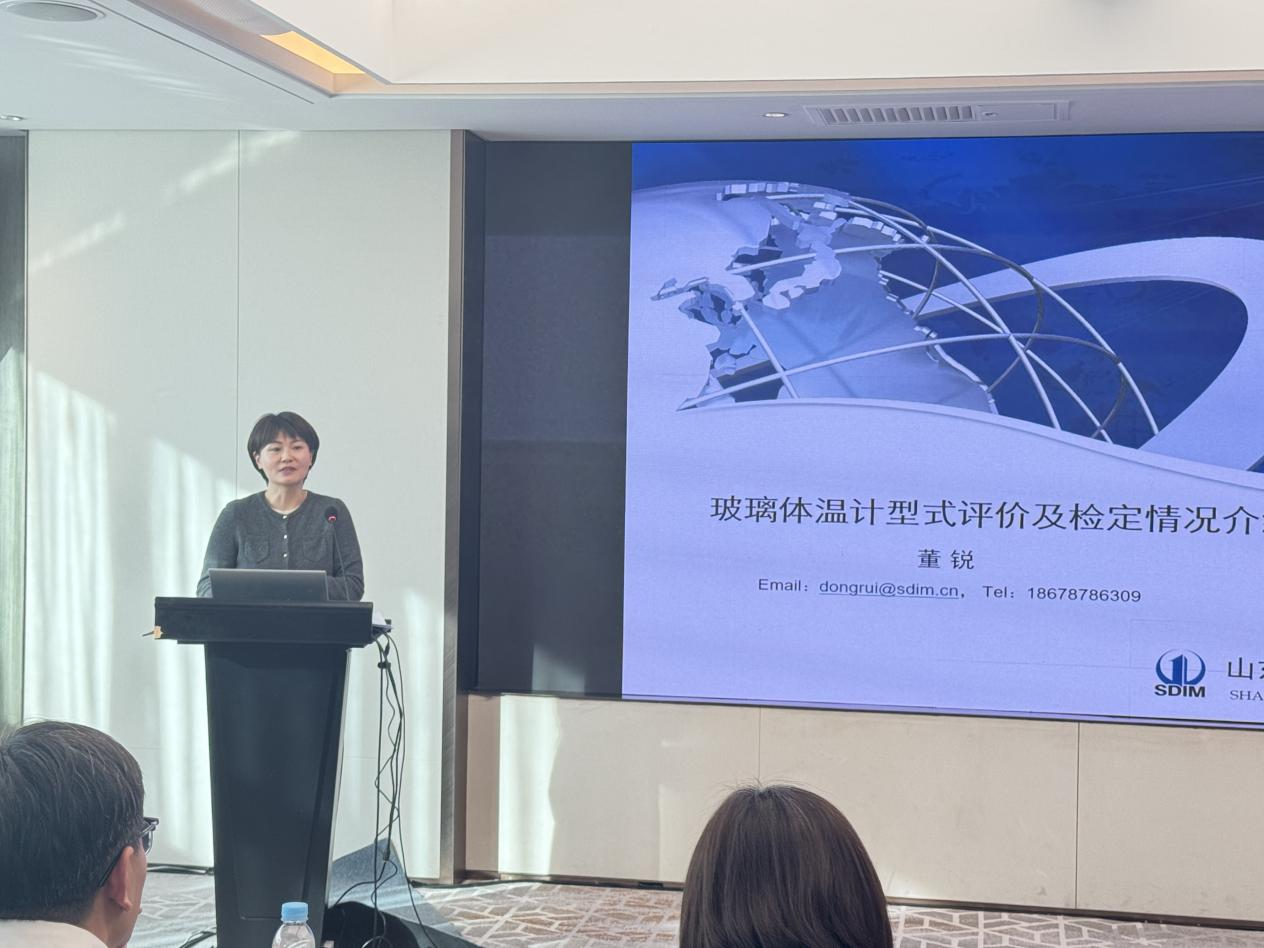
Dong Rui, Senior Engineer at the Thermotechnical Metrology Research Institute, Shandong Institute of Metrology, systematically presented the type evaluation and verification management of glass thermometers in China, elaborated on the statutory management requirements related to this product, including the mandatory verification system and type approval management, and explained the revision background and specific implementation progress of current thermometer verification regulations. She noted that systematic clarification of the standard system and regulatory requirements for glass thermometers would provide important institutional support for ensuring metrological accuracy and product quality and safety during the mercury-free substitution process.
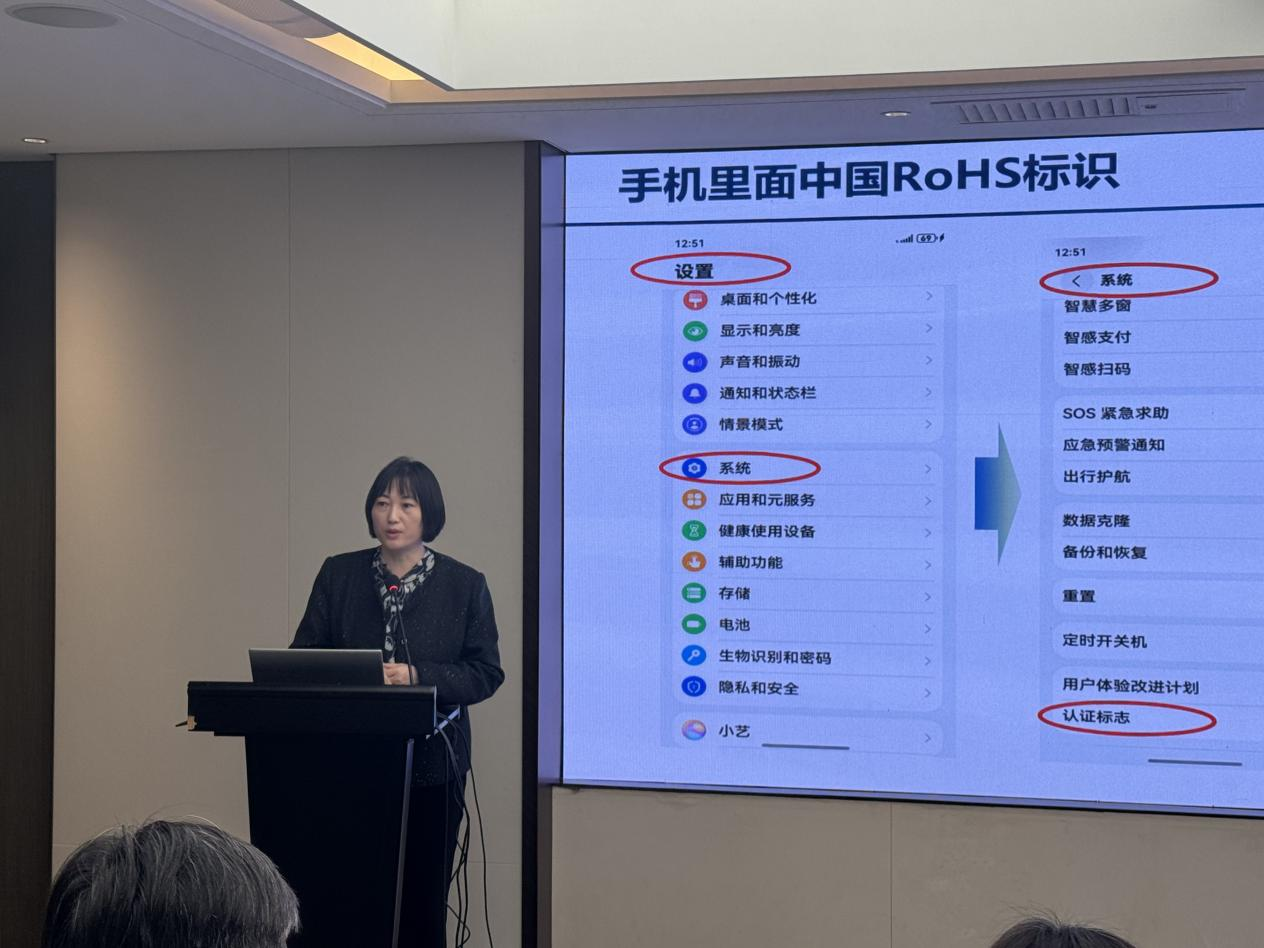
Lu Chunyang from the CTTL-Terminals of the China Academy of Information and Communications Technology (CAICT) interpreted the RoHS (Restriction of Hazardous Substances in Electrical and Electronic Equipment) Directive, and explained how manufacturers of electronic sphygmomanometers and thermometers should respond. The presentation covered policy requirements, the compliance management catalog, and the latest revisions to the exception list, and offered specific response measures and suggestions for enterprises according to actual industry realities. The interpretation helped enterprises accurately grasp environmental regulatory requirements and provided clear guidance for the electronic medical device industry to implement hazardous substance control and advance environmentally conscious manufacturing and compliant operations.
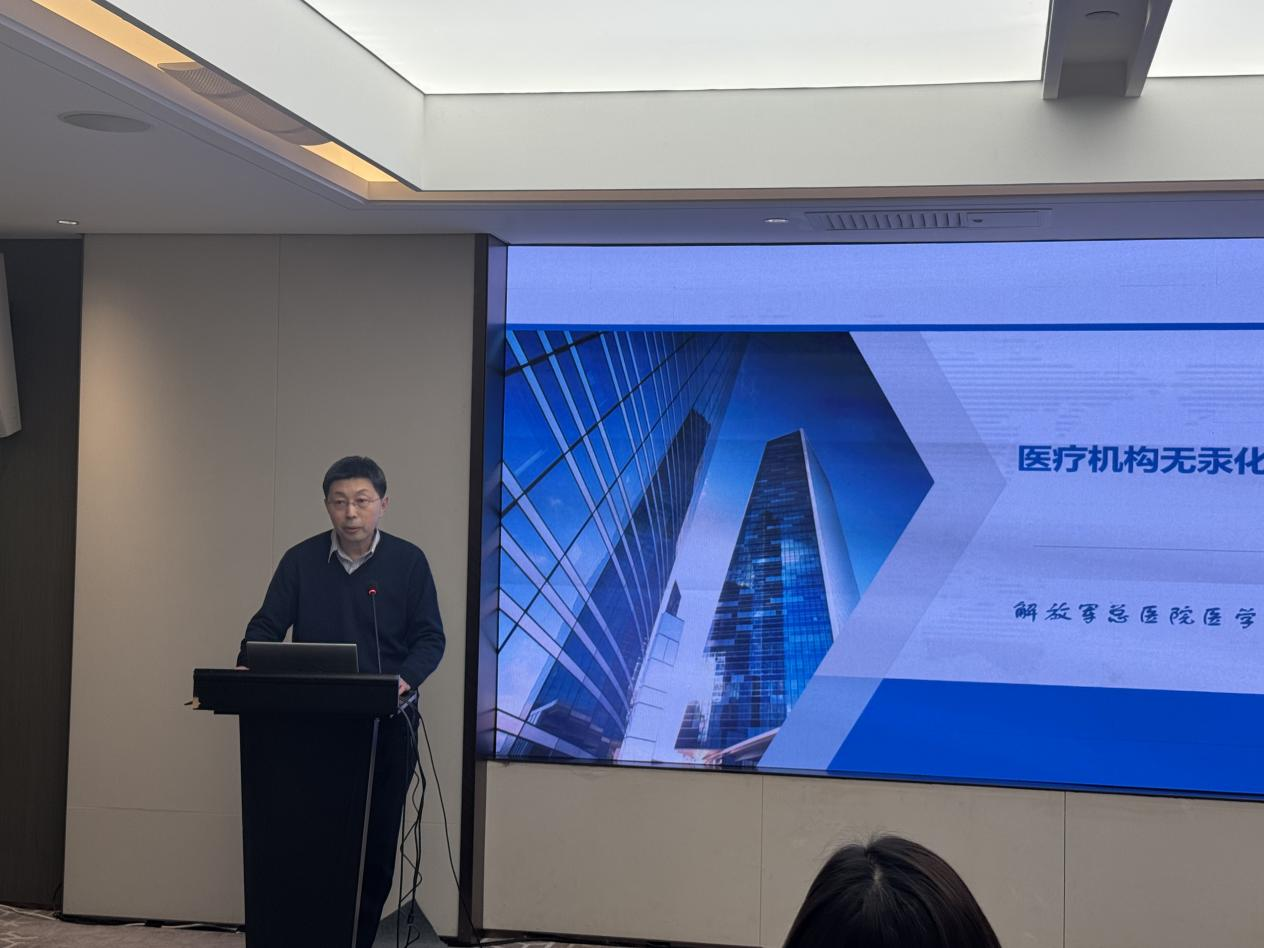
Chen Guangfei, Senior Engineer of the Department of Medical Engineering, Chinese PLA General Hospital, shared the exploration and practical experience of healthcare facilities in advancing the mercury-free transition of temperature measurement products. He emphasized that healthcare organizations should take into account cost-effectiveness and actual clinical needs when selecting alternative products. The wireless temperature-and-pulse synchronous measurement system developed by his team can automatically monitor patients’ temperature and pulse, significantly improving nursing efficiency. The system has been put into use in multiple hospitals, not only reducing reliance on mercury-containing temperature measurement products but also lowering the risk of mercury emissions, providing a feasible pathway for greening the healthcare environment.
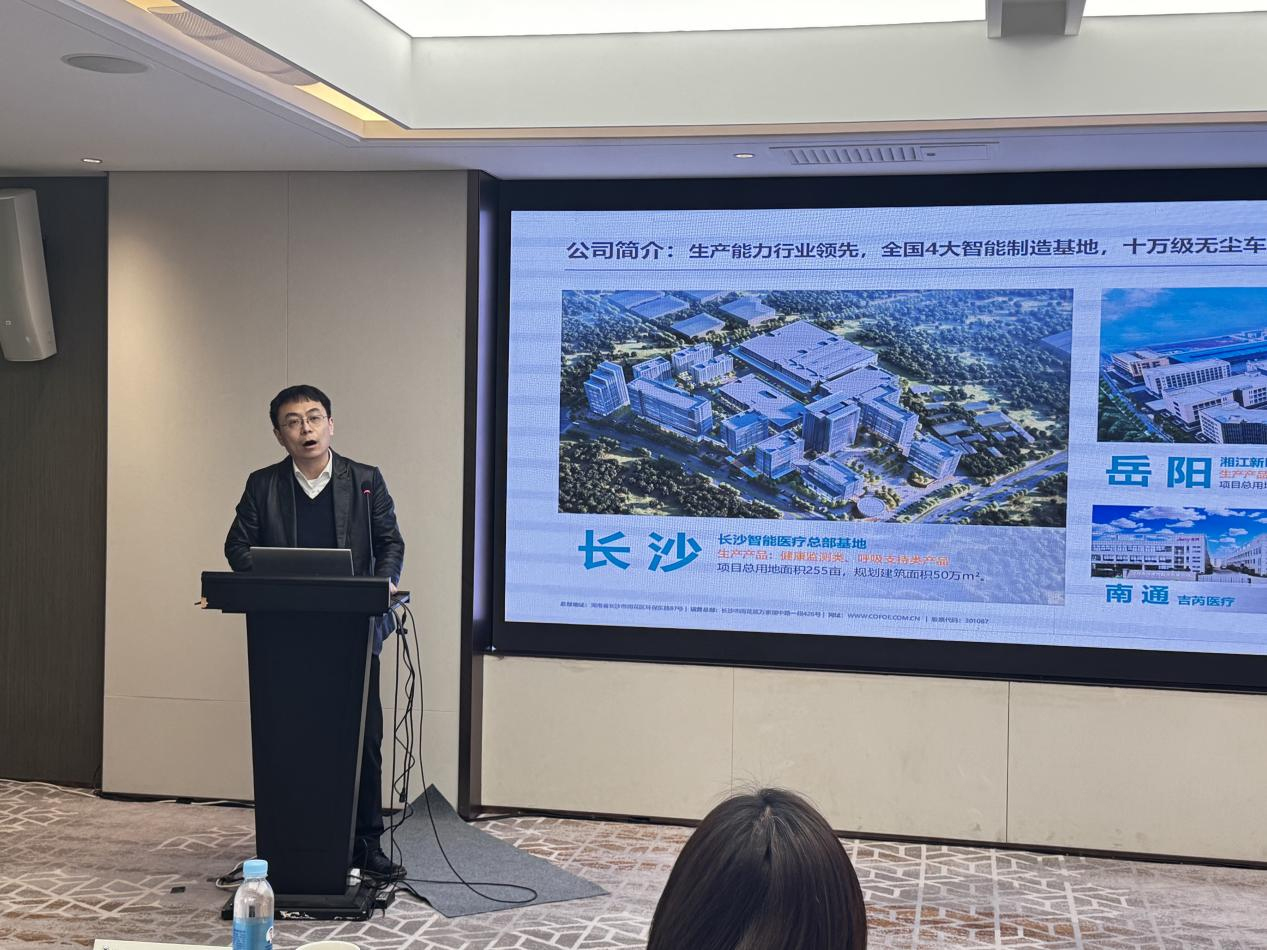
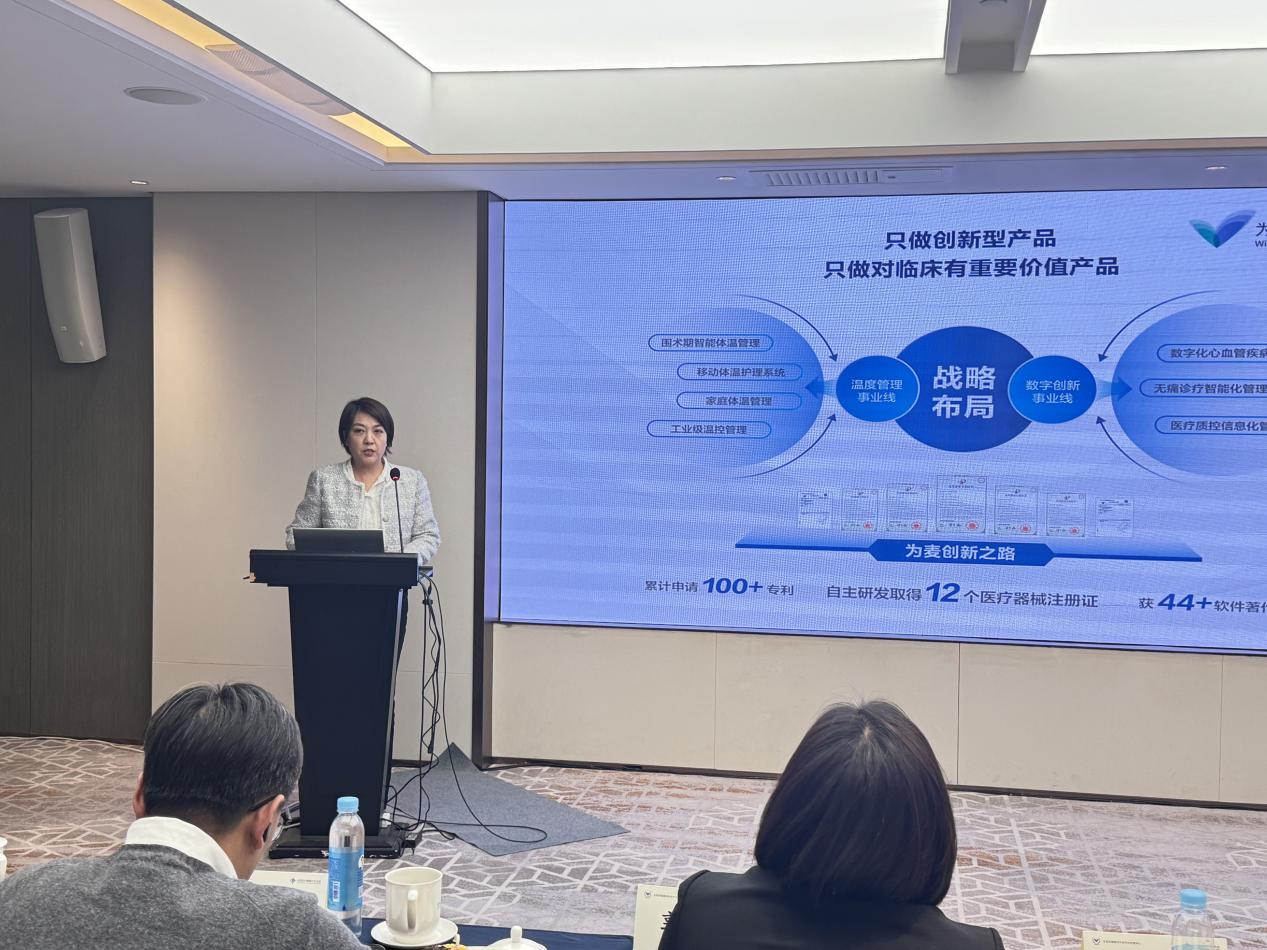
Gao Rui, Deputy Director of the Innovation Division of Wismed Intelligent Technology (Beijing) Co., Ltd., gave a presentation titled "Smart Measurement for the Future: Application Exploration and Industry Demonstration of Mercury-Free Smart Thermometers." She noted that the company concentrates on the monitoring and analysis of wireless vital-sign data. Its "Maike Wuyou" smart temperature management product can achieve 7×24 hours of continuous monitoring and enable real-time viewing and management of data via mobile phone, representing an innovative solution for mercury-free intelligent temperature monitoring.
This seminar not only systematically reviewed the phased achievements China has made in promoting the industrial transformation of mercury-free medical devices but also provided a clear implementation path for subsequent work. All parties, through policy interpretation, technical discussions, and sharing of practical cases, further built consensus and clarified the importance of coordinated advancement through the integration of production, education, research, and application. Looking ahead, driven by policy guidance, technological breakthroughs, and market application, the mercury-free medical device industry will continue to move toward high-quality development. With joint efforts from all parties, it is expected that China will move more steadily and go further on the path to achieving full mercury-free status in the medical field and promoting green and healthy industrial development.