
To implement the spirit and requirements of the Memorandum of Understanding on Cooperation in the Regulation of Drugs, Medical Devices, and Cosmetics between the National Medical Products Administration of the People's Republic of China and the Saudi Food and Drug Authority, and to promote Chinese medical device enterprises into the Middle East market, the China Medical Device Industry Association (CAMDI) successfully held the "China-Saudi Arabia Medical Device Industry Exchange Conference" and a series of inspection activities in Riyadh, Saudi Arabia from October 26 to 29, 2025. This event set up an efficient one-stop platform for Chinese enterprises through the thematic exchange, exhibition visit, and hospital inspection.
Section One: Thematic Exchange
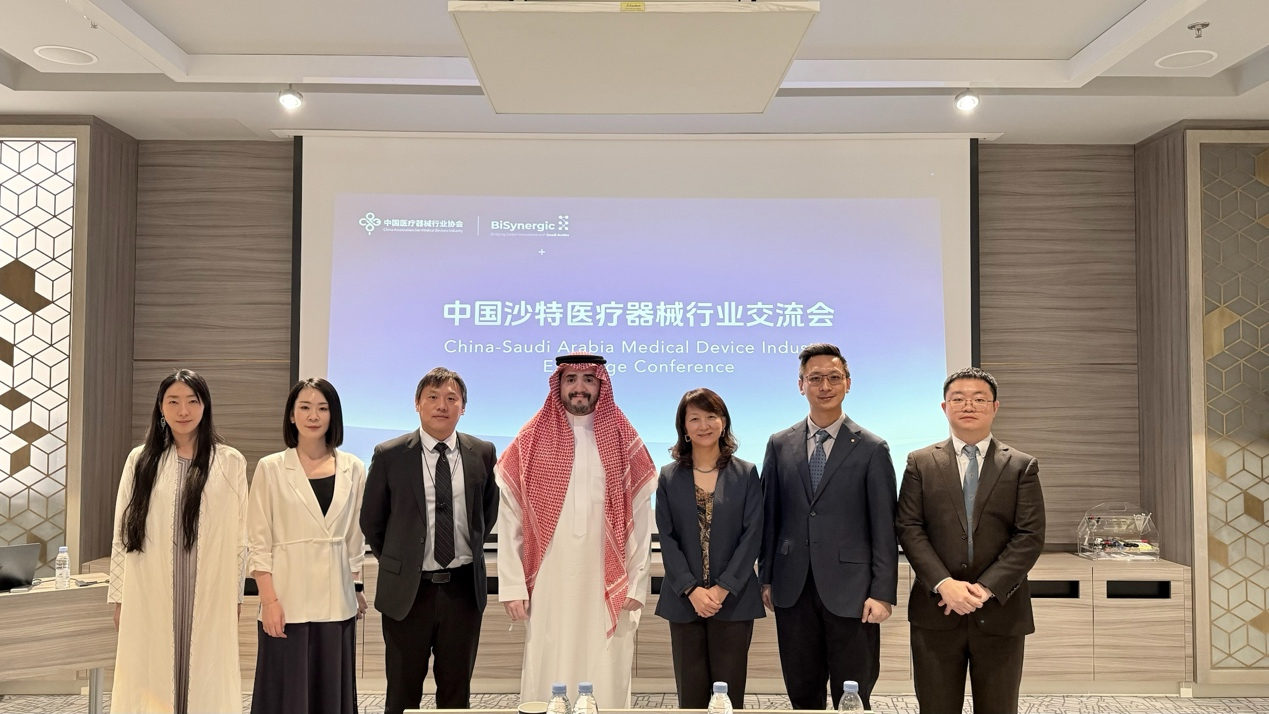
The China-Saudi Arabia Medical Device Industry Exchange Conference was held first on October 26. The conference brought together regulators, industry experts, and enterprise representatives from both sides for in-depth discussions on core topics, including Saudi market prospects, regulations and policies, and market access strategies.

Saudi Representative: Abdulaziz Al Sayyari, former executive official of the Saudi Food and Drug Authority (SFDA), delivered a keynote speech titled, "Saudi Medical Device Market Opportunities and Vision 2030," for the conference, elaborating on the enormous potential of the Saudi healthcare industry as a core development sector driven by Vision 2030 and that Saudi Arabia is working to accelerate development in chronic disease management, diagnostic imaging, telemedicine, digital health, and artificial intelligence-based healthcare, providing vast room for development for Chinese enterprises.

Chinese Representative: In her remarks, Yang Xiaofang, Deputy Secretary General of CAMDI, stated that with the deepening alignment of the Belt and Road Initiative and Saudi Vision 2030, China-Saudi Arabia cooperation in the medical device field has ushered in historic opportunities. This exchange conference aims to provide Chinese enterprises with authoritative insights from multiple dimensions, including market, regulations, and medical insurance, while establishing a direct dialogue platform with key Saudi partners to jointly promote the healthy development and mutual benefit of medical device industries in both countries.

KuYoung CHUNG presented a detailed overview of the current status of the Saudi medical device market. He noted that Saudi Arabia is the largest healthcare market in the Middle East and Africa, with government healthcare expenditure exceeding 7% of GDP and demand growing rapidly.
Abdulaziz Al Sayyari further delivered an authoritative interpretation of "SFDA regulations for medical device registration," detailing the registration process, classification requirements, and clinical evaluation criteria, with particular emphasis on the importance of technical documentation quality, Arabic label compliance, and post-marketing regulation.

Sofia Pang, CEO of UniFusion B.S.C, presented "Cost Control and Efficiency Strategies for Saudi Medical Device Market Access." She conducted an in-depth analysis of strategic choices for different market channels and shared highly practical cost reduction and efficiency improvement solutions, such as the "bundled" registration of product families.
Abdualmajeed Binjumayah, Director of Pharmaceutical and Health Governance at Tawuniya (an insurance company), systematically introduced Saudi medical insurance's "Essential Benefits Package" policy and the access process for medical devices, suggesting that innovative products should be prepared with sufficient clinical value and economics data.
 In the subsequent matchmaking session between distributors and Chinese enterprises, representatives from leading Saudi distributors - Al Dawaa, Abdul Latif Jameel, and Salehiya - introduced their respective market networks, distribution capabilities, and localized service advantages and unanimously expressed their strong desire to establish long-term cooperation with quality Chinese medical device enterprises to jointly expand the Saudi and Gulf markets. Then, several leading Chinese enterprises took the stage to showcase innovative products and technologies in cutting-edge fields, such as absorbable biomaterials, AI-based healthcare, and intelligent robotics, laying a solid foundation for future cooperation amid enthusiastic on-site exchanges.
Section Two: Visit to the Saudi Medical Device Exhibition
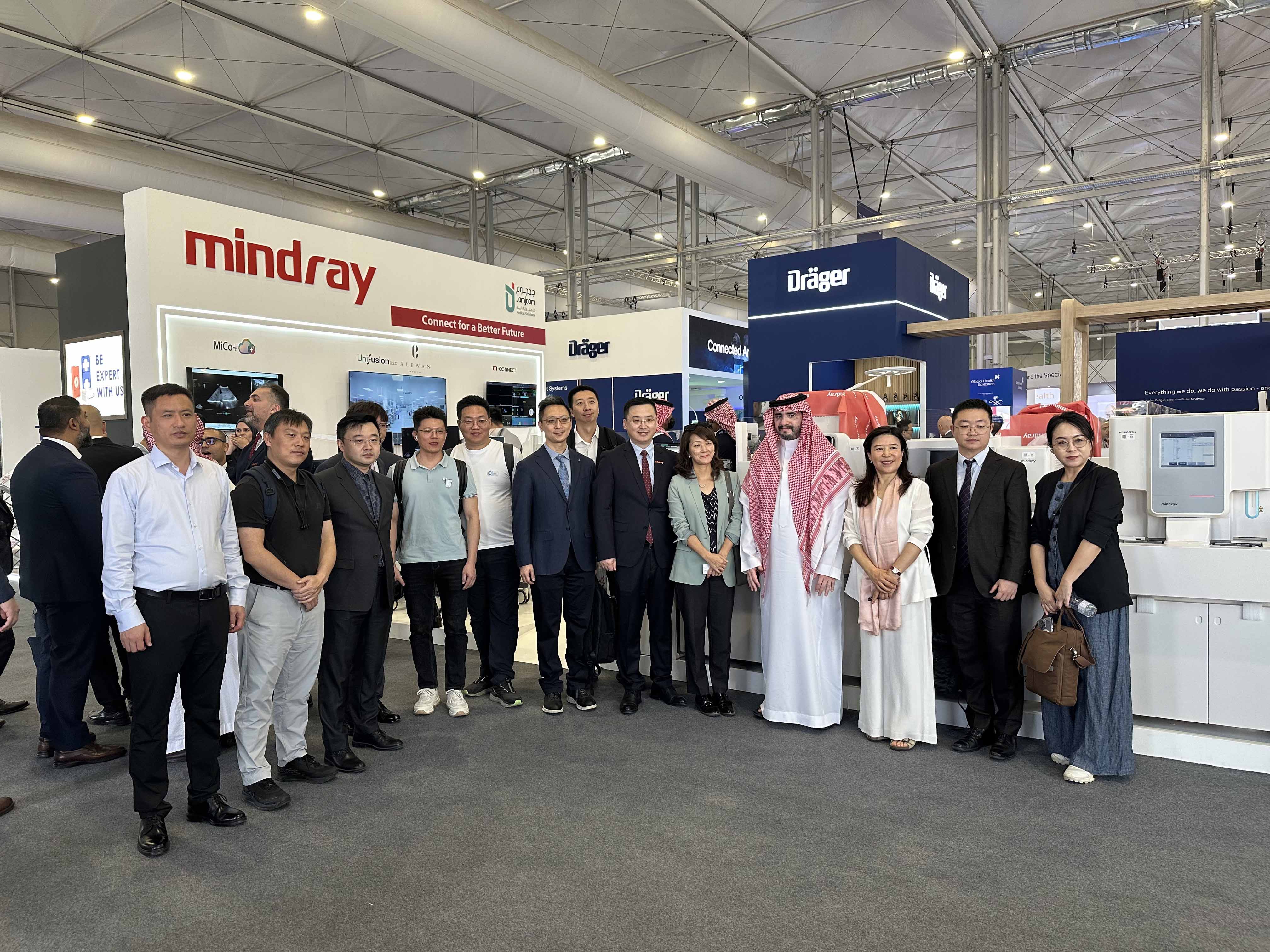
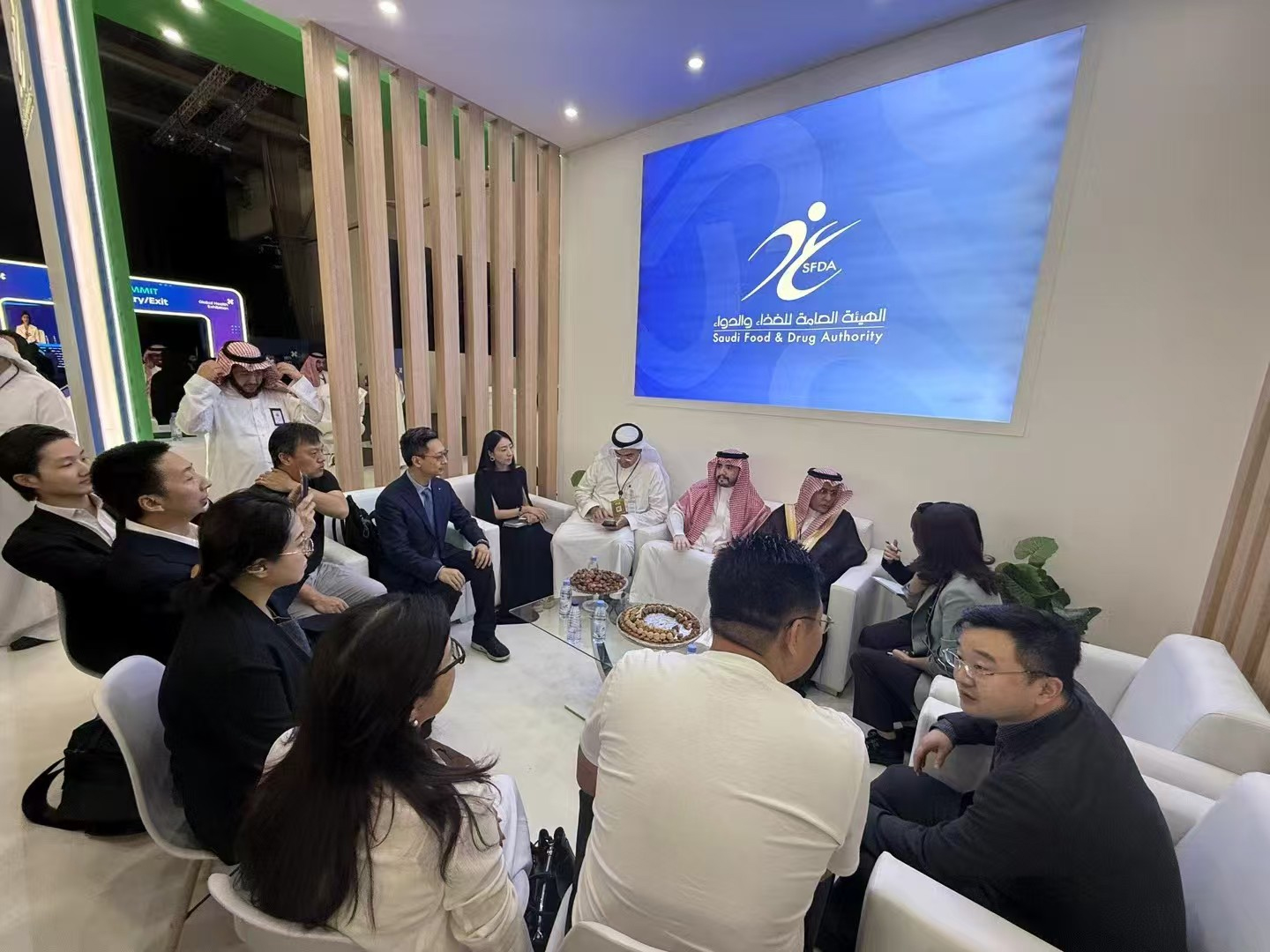
On October 27, the delegation visited the Global Health Exhibition (Riyadh), the largest healthcare industry exhibition in the Middle East. During the visit, the delegation held multiple rounds of exchanges with SFDA officials and senior Ministry of Health officials. The delegation introduced the visiting enterprises to the Saudi regulators in detail, and both sides conducted in-depth exchanges on key issues, such as registration pathways for Chinese innovative medical devices in Saudi Arabia, which enhanced mutual understanding. The delegation observed the exhibition and exchanged views with participating Chinese enterprises on core topics, such as efficient market access and implementation.


 Section Three: Hospital Inspection and Exchange
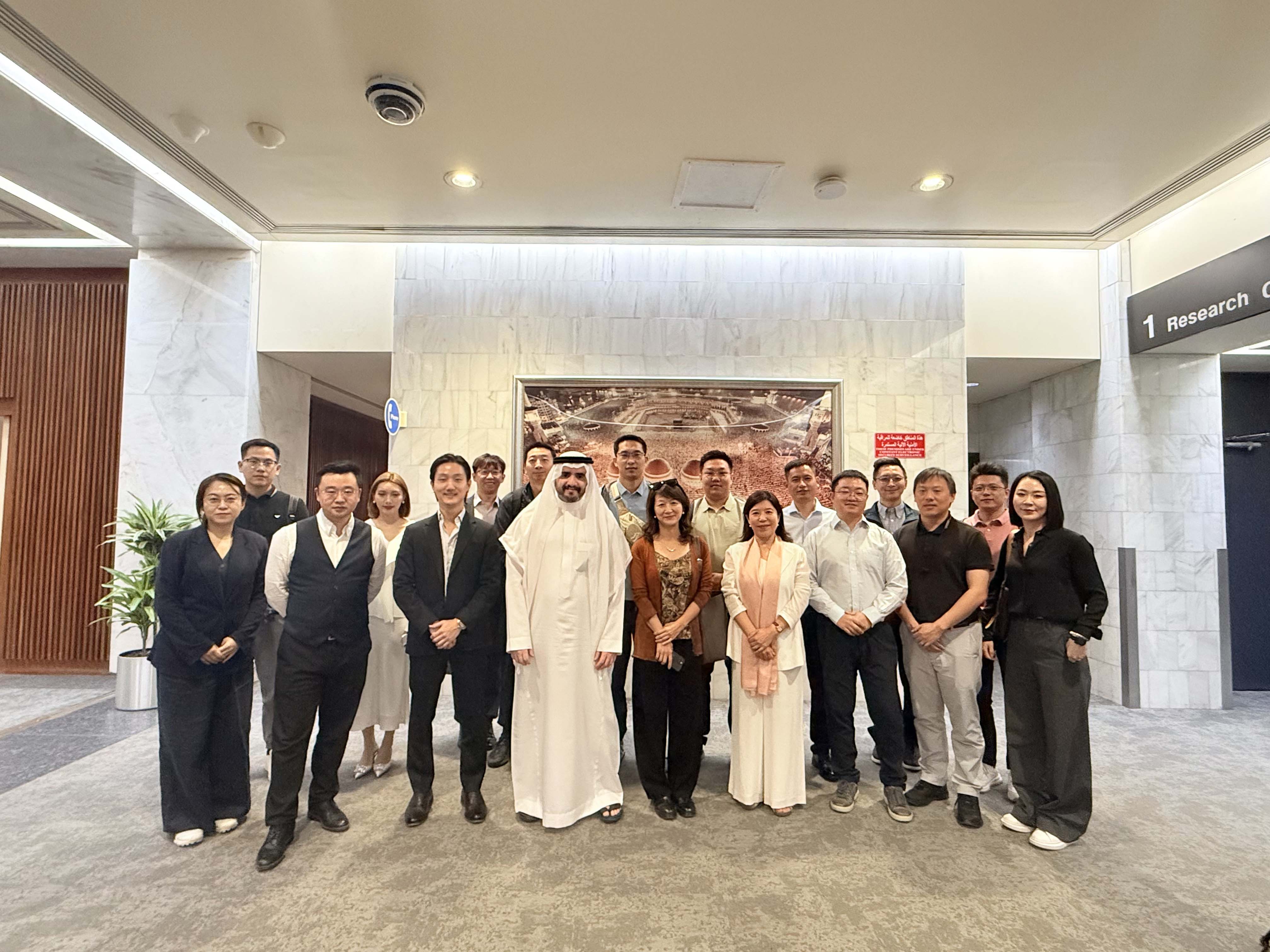
From October 28 to 29, the delegation visited Saudi Arabia's most representative healthcare facilities. Their discussions with hospital administrators and clinical experts focused on hospital discipline development, technical needs, equipment procurement standards and processes, etc., gaining precise insights into the actual needs of Saudi frontline clinicians for high-end, intelligent medical equipment.

 This series of activities featured substantial content and precise matchmaking and set up a direct platform for Chinese medical device enterprises to comprehensively understand the Saudi market and connect with core resources, laying a solid foundation for subsequent precise layout in Saudi and Gulf markets and for achieving mutual benefit and win-win results.
Section One: Thematic Exchange
The China-Saudi Arabia Medical Device Industry Exchange Conference was held first on October 26. The conference brought together regulators, industry experts, and enterprise representatives from both sides for in-depth discussions on core topics, including Saudi market prospects, regulations and policies, and market access strategies.
Saudi Representative: Abdulaziz Al Sayyari, former executive official of the Saudi Food and Drug Authority (SFDA), delivered a keynote speech titled, "Saudi Medical Device Market Opportunities and Vision 2030," for the conference, elaborating on the enormous potential of the Saudi healthcare industry as a core development sector driven by Vision 2030 and that Saudi Arabia is working to accelerate development in chronic disease management, diagnostic imaging, telemedicine, digital health, and artificial intelligence-based healthcare, providing vast room for development for Chinese enterprises.
▲ Yang Xiaofang, Deputy Secretary General of CAMDI
Chinese Representative: In her remarks, Yang Xiaofang, Deputy Secretary General of CAMDI, stated that with the deepening alignment of the Belt and Road Initiative and Saudi Vision 2030, China-Saudi Arabia cooperation in the medical device field has ushered in historic opportunities. This exchange conference aims to provide Chinese enterprises with authoritative insights from multiple dimensions, including market, regulations, and medical insurance, while establishing a direct dialogue platform with key Saudi partners to jointly promote the healthy development and mutual benefit of medical device industries in both countries.
▲ KuYoung CHUNG
KuYoung CHUNG presented a detailed overview of the current status of the Saudi medical device market. He noted that Saudi Arabia is the largest healthcare market in the Middle East and Africa, with government healthcare expenditure exceeding 7% of GDP and demand growing rapidly.
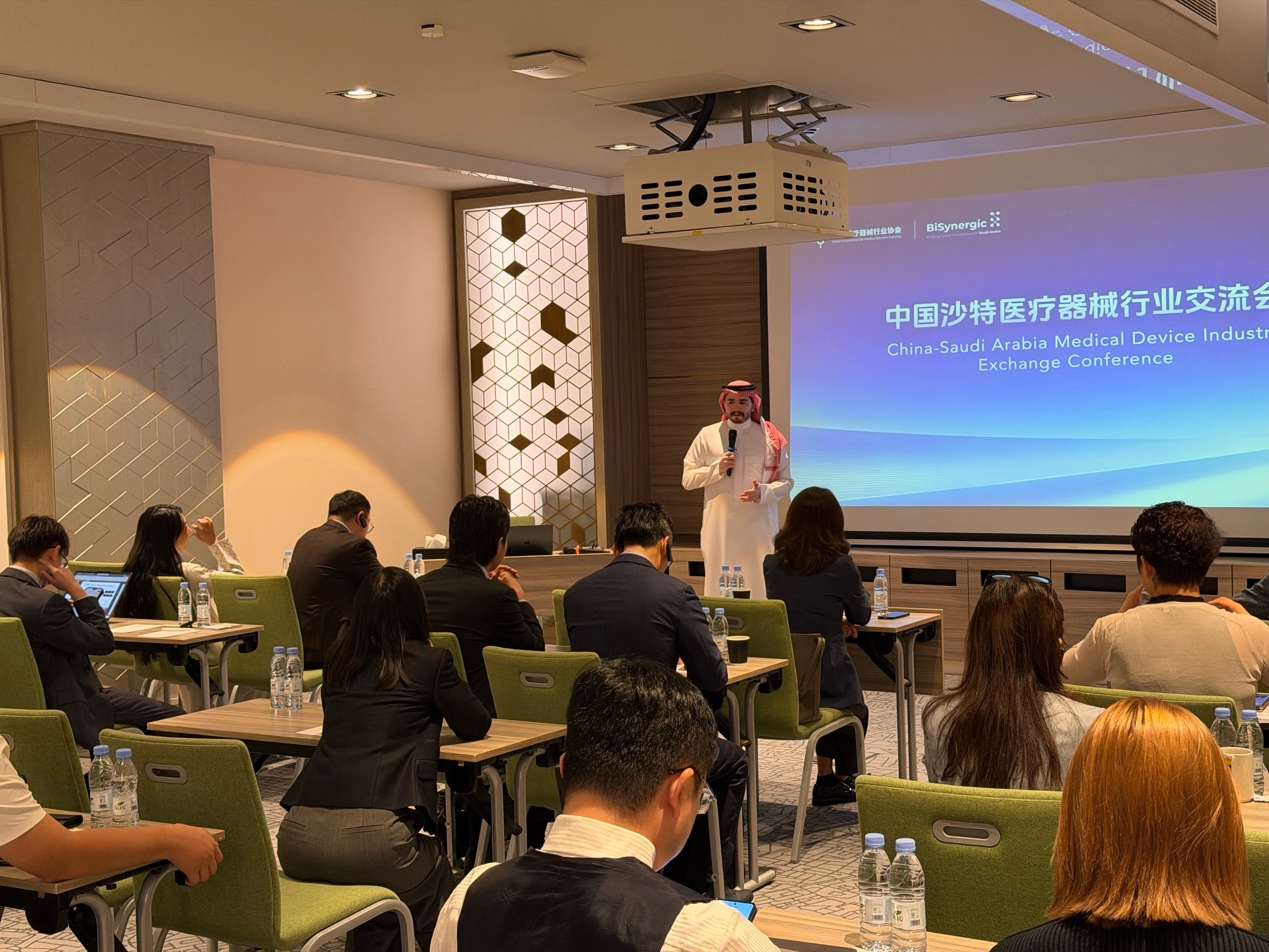
▲ Former SFDA executive official Abdulaziz Al Sayyari
Abdulaziz Al Sayyari further delivered an authoritative interpretation of "SFDA regulations for medical device registration," detailing the registration process, classification requirements, and clinical evaluation criteria, with particular emphasis on the importance of technical documentation quality, Arabic label compliance, and post-marketing regulation.
▲ Sofia Pang, CEO of UniFusion B.S.C
Sofia Pang, CEO of UniFusion B.S.C, presented "Cost Control and Efficiency Strategies for Saudi Medical Device Market Access." She conducted an in-depth analysis of strategic choices for different market channels and shared highly practical cost reduction and efficiency improvement solutions, such as the "bundled" registration of product families.
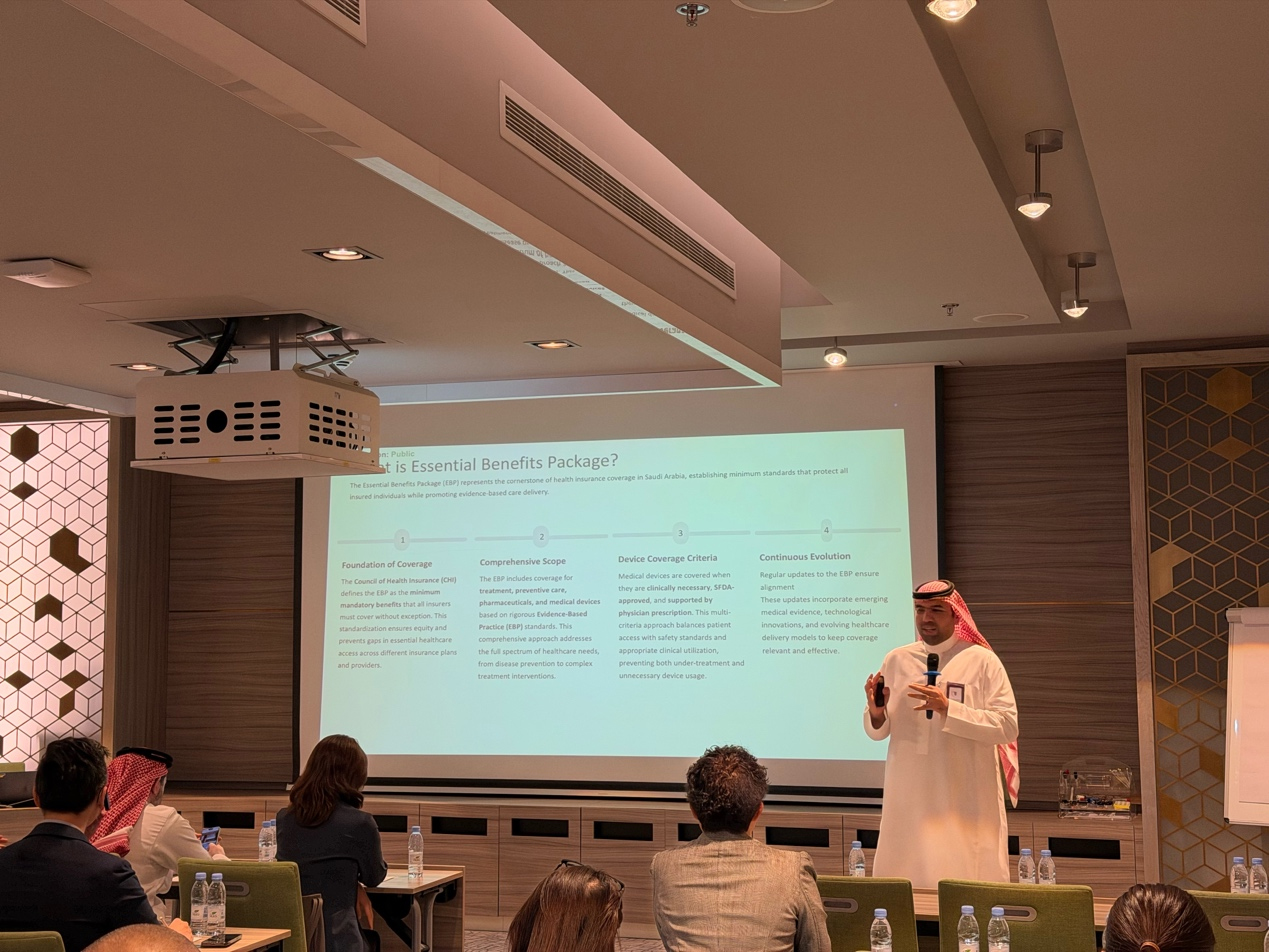
▲ Abdualmajeed Binjumayah, Director of Pharmaceutical and Health Governance at Tawuniya
Abdualmajeed Binjumayah, Director of Pharmaceutical and Health Governance at Tawuniya (an insurance company), systematically introduced Saudi medical insurance's "Essential Benefits Package" policy and the access process for medical devices, suggesting that innovative products should be prepared with sufficient clinical value and economics data.
Section Two: Visit to the Saudi Medical Device Exhibition
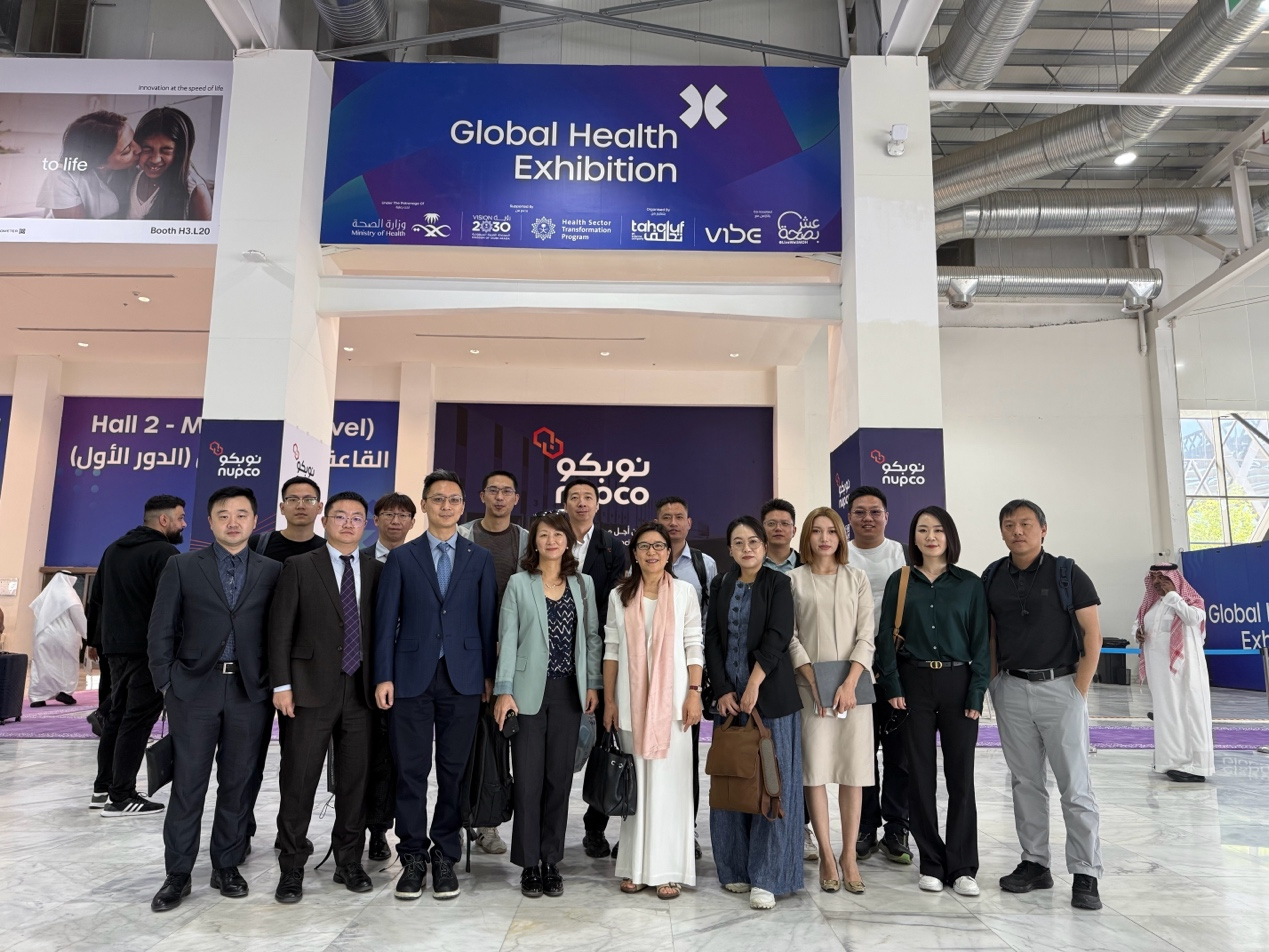
On October 27, the delegation visited the Global Health Exhibition (Riyadh), the largest healthcare industry exhibition in the Middle East. During the visit, the delegation held multiple rounds of exchanges with SFDA officials and senior Ministry of Health officials. The delegation introduced the visiting enterprises to the Saudi regulators in detail, and both sides conducted in-depth exchanges on key issues, such as registration pathways for Chinese innovative medical devices in Saudi Arabia, which enhanced mutual understanding. The delegation observed the exhibition and exchanged views with participating Chinese enterprises on core topics, such as efficient market access and implementation.
From October 28 to 29, the delegation visited Saudi Arabia's most representative healthcare facilities. Their discussions with hospital administrators and clinical experts focused on hospital discipline development, technical needs, equipment procurement standards and processes, etc., gaining precise insights into the actual needs of Saudi frontline clinicians for high-end, intelligent medical equipment.